
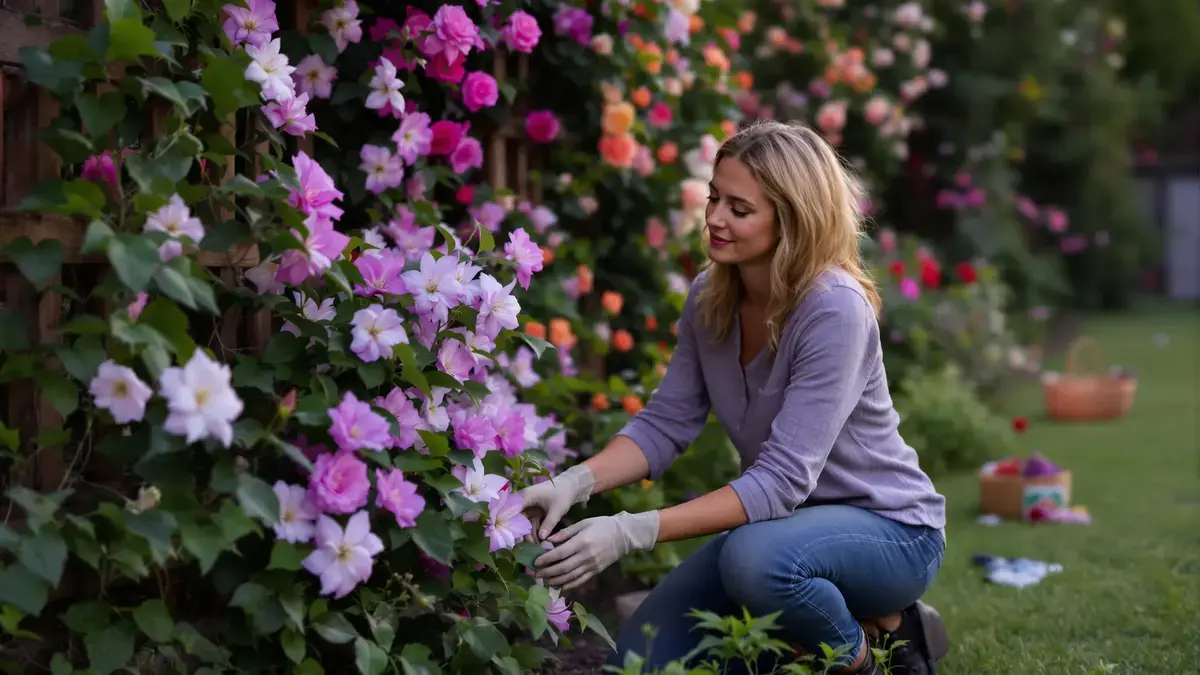

A lavender haze clings to the fence just as dusk settles, its gentle scent drifting along with the faint buzz of summer insects. Pausing near the tangled vines, you might expect to spot the well-known cascades of wisteria. But, for once, the garden whispers another story—one that doesn’t begin or end with the famous purple bloom, but unfolds through quieter, more varied notes. Somewhere between memory and curiosity, the question blooms: what makes a climbing plant truly essential, after all?
Beneath the Shadows of Wisteria
In many gardens, wisteria looms large—a symbol of showy abundance, its flowering clusters impossible to miss in spring. Yet its charms mask a certain unruliness. Left unchecked, it can pull down trellises, overtake gutters, and even risk harm to pets drawn to its allure. Its care is not gentle; pruning is constant, and its rapid growth tests even the most patient hands.
Even as this vine dominates conversations about climbers, gardeners have quietly turned elsewhere for beauty and resilience. The garden, like an artist’s canvas, invites broad strokes and careful touches—not just a single dramatic color.
A Palette of Alternatives
Take clematis, for instance. It weaves its way skyward in understated elegance, offering petals from snowy white to deep violet. Some varieties, such as ‘Nelly Moser’ or ‘The President’, can gleam for weeks, defying the notion that climbers must sacrifice variety for longevity. Their roots relish the shade, while blossoms search out sunlight. Tending to them is a practice best measured in seasons, shaping the next flush of color with each careful trim.
A few steps away, the air thickens with the scent of honeysuckle. Its tangled stems bloom in quick succession from May’s cool start well into late heat. It tolerates chill and relishes moist ground, casting nectar to bees and butterflies while resisting the scald of winter. ‘Graham Thomas’ glows in bright yellow, while ‘Serotina’ burns red and gold—each a subtle call to wandering pollinators.
Then there’s the trumpet vine, bold and resilient, throwing fiery orange-and-yellow flowers against the sun. It endures dry spells, thriving in soils others might disdain. Stems shoot upward quickly, requiring a strong hand come late winter, so their flamboyance doesn’t become disorder.
Evergreen sweetness appears with star jasmine, whose white whorls release fragrance through the warm months. Hardy for most winters, it clings to sun and shade alike, offering a lush backdrop even as other plants retreat. When frost threatens, pots can shelter roots against cold snaps. Light pruning after summer keeps the plant fresh, leaves glossy against the fading year.
And behind wooden gates or ironwork arches, climbing roses bring their own drama. ‘Pierre de Ronsard’ piles petals in rose-pink whorls, while ‘Lady Waterlow’ delivers delicate blooms. Each brings a rustic weight or quiet romance, defying disease with new, sturdier varieties. Rich, tended soil and winter’s hard pruning reward patience with a flush of color and aroma.
Practical Beauty in Diversity
These alternatives, each with their own place and rhythm, often eclipse wisteria in adaptability and presence. Some keep their leaves through damp October mornings; others boast blooms that stagger and repeat beyond a single, fleeting moment. Their fragrances shift from sweet to spicy, their impact less flashy but longer lasting.
Care routines feel less punishing, too. Clematis and honeysuckle want gentle shaping just after their flowers fade. Trumpet vines crave a harsher touch before spring breaks, while star jasmine enjoys only a modest tidy. Even roses, notorious for their demands, offer new varieties that shrug off blight and spot with just a bit of help—black soap for aphids, horsetail tea for leaf diseases.
A New Cast in the Garden’s Story
The climbing plant, long typecast as wisteria’s domain, proves to be a richer role than one actor alone. With thoughtful selection—pairing sun, shade, soil, and patience to each plant—the result can be a living tapestry. It’s less about overwhelming spectacle, more about layering textures, silhouettes, scent, and subtle shifts of color across the months.
Gardeners, like painters, know the secret: bolder beauty emerges not from repetition, but from mindful variety. Some brushstrokes are bright, others nearly invisible, each contributing to the fullness of the view.
The Quiet Evolution of the Familiar
Wisteria’s legend lingers, but for those willing to look again, the everyday landscape reveals alternatives both practical and stunning. Far from being essential, it is one thread among many. Introduced with care, lesser-known climbers offer resilience, ease of maintenance, diversity of bloom, and a yearlong partnership with the garden. Over time, the tapestry becomes richer—and the story, more uniquely yours.
