
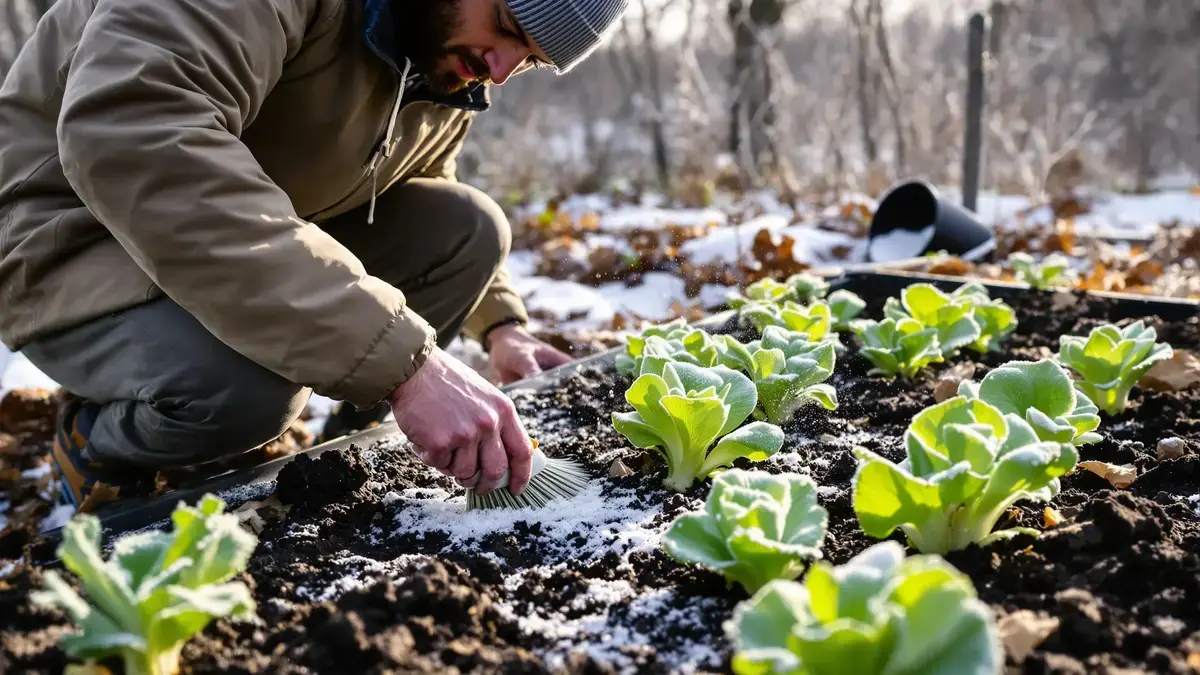

In many backyards, traces of frost still line the edges of raised beds as February draws to a close. Yet some gardeners, bundled in jackets, lean over their plots to find fresh lettuce pushing through the soil—weeks ahead of the usual season. This early greenery is no accident. It marks a quiet strategy, one that relies on a distinct lettuce known for thriving where others falter. The secret? It comes down to nature’s resilience and a few well-timed choices.
Winter’s End, Green Beginnings
With most gardens asleep under the cold, the chance to taste crisp lettuce from your own soil feels almost like a small rebellion against winter. The preferred variety for this delicate operation is the “Brune d’hiver” lettuce. Unlike common types that surrender to the first freeze, this lettuce holds firm, its roots burrowing deeper as temperatures dip to -8°C.
The sturdy leaves develop texture and subtle color hints, standing out in the sparse late-winter landscape. Where most salads shrink from the elements, “Brune d’hiver” quietly grows, needing no greenhouse or energy-guzzling heat.
Sowing Early: Timing and Anticipation
Gardeners with experience know the value of early action. The real advantage of “Brune d’hiver” lies in its ability to be sown between February 15 and 28. This window, while the world is still grey, takes advantage of swelling daylight and soils just beginning to stir.
Sow too late, and new plantings risk joining the crowded rush of spring. Get it right, and you’ll enjoy firm, vibrant leaves as the first sign of changing seasons—long before supermarket shelves fill with imported greens.
Soil Matters: The Hidden Foundation
Good soil preparation is crucial. Heavy, soggy earth is a hidden danger for this cold-hardy lettuce. Roots struggle for air. Fungal diseases find an easy home. To help, gardeners sprinkle in river sand or build small mounds, making sure water never lingers around the plants.
Even under protective covers, air matters. Regularly lifting cloches or vented tunnels brings a rush of fresh air, keeping dampness at bay. Without this, young seedlings can vanish to rot before they ever reach the sun.
Nutrition Without Excess
While temptation exists to feed plants lavishly, “Brune d’hiver” prefers a balanced approach. A thin spread of well-rotted compost—mixed gently into the topsoil before sowing—is enough. This provides steady nourishment and encourages healthy root formation without inviting pests or making the lettuce soft and fragile.
Avoiding fresh manure is key. Garlic-scented compost with a crumbly texture gives the best results, supporting germination and helping lettuce leaves stay firm and resilient even through sharp, cold spells.
The First Taste of Spring
The reward for this care appears in a bowl as the seasons turn. While much of the country still relies on produce grown under glass and shipped from afar, these early lettuces offer local, seasonal flavor—crisp, with a delicate nuttiness shaped slowly by cold air.
Harvesting “Brune d’hiver” as the first bulbs poke up and birdsong fills empty branches is more than a culinary achievement. It’s a reconnection with the natural pace of the year, a satisfying way to greet the first warmth with something fresh and genuinely your own.
A Quiet Triumph in the Garden
The dependable heartiness of “Brune d’hiver” reflects a patient approach to gardening—one that respects nature’s rhythms and rewards small experiments. At the cusp between winter and spring, a handful of simple techniques and close attention create an early harvest, reminding us that some of the best flavors arrive quietly, before the rest of the world has stirred.
