
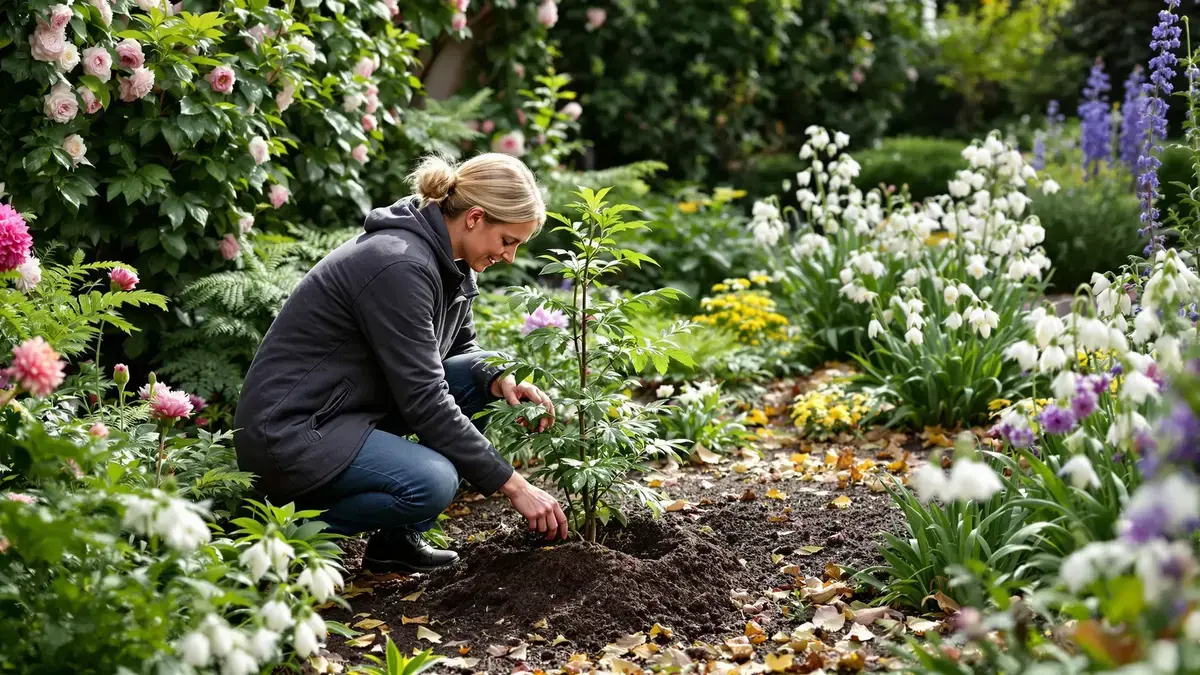

Many home gardens aim to host more wildlife, yet opportunities are often missed when it comes to plant choice. A carefully selected mix of seven specific species can turn an ordinary outdoor space into a thriving refuge for birds, bees, butterflies, and other small creatures, supporting them year-round with food and shelter.
Reimagining the Garden as a Refuge for Wildlife
Traditional gardening frequently prioritizes aesthetics over biodiversity. However, recent guidance from landscape professionals indicates that the garden’s greatest strength may lie in its role as a layered ecosystem. By integrating trees, shrubs, climbers, and perennials in a thoughtful structure, the garden begins to mirror wild habitats, accommodating a wider variety of wildlife. This multi-story approach creates continuous layers of shelter and feeding opportunities that change with the seasons.
Seven Species with Outsized Ecological Impact
The selection of Sambucus nigra ‘Thundercloud’ (purple elder), Rosa ‘Shropshire Lass’ (climbing rose), Polystichum setiferum (fern), Dahlia merckii, Phlomis russeliana, Galanthus (snowdrop), and Delphinium requienii is an intentional effort to fill ecological gaps. Each plays a distinct role: the purple elder’s extended flowering and fruiting season draws insects and provides berries for birds; climbing roses offer abundant nectar and later, rose hips for wintering birds. Shade-loving ferns provide moist ground cover for insects and amphibia, while Dahlia merckii's late blooms sustain bees and butterflies into autumn, assuming protection from winter frosts. Phlomis russeliana not only covers the soil, shielding invertebrates, but its seedheads feed birds in colder months. Early-flowering snowdrops are invaluable for pollinators emerging before spring, and Delphinium requienii reliably reseeds, its nectar attracting butterflies and long-tongued bees.
Fostering Biodiversity through Management Choices
To maximize the benefits of these plantings, gardeners are encouraged to limit pesticide use and allow natural debris such as seeds and leaves to remain where they fall. These actions help small animals and insects find shelter and food when resources are scarce, particularly in winter. Combining shrubs and perennials further amplifies the year-round resources available, making the garden a dependable haven rather than just a summer resort for wildlife.
Beyond Trends: Sustainable Garden Design
The philosophy underpinning these recommendations revolves around stable, functional garden structures instead of chasing fleeting design trends. Even minimal interventions, such as planting a single species from the recommended list, can produce a disproportionate increase in the diversity and abundance of local wildlife. This approach is adaptable to different regions and creates an inviting landscape that is as practical for wildlife as it is pleasant for people.
Carefully chosen plant species, coupled with sustainable gardening methods, are key to transforming ordinary green spaces into essential refuges for a wide array of wildlife. By prioritizing biodiversity, gardens can become dynamic environments that support nature’s cycles in every season.
