
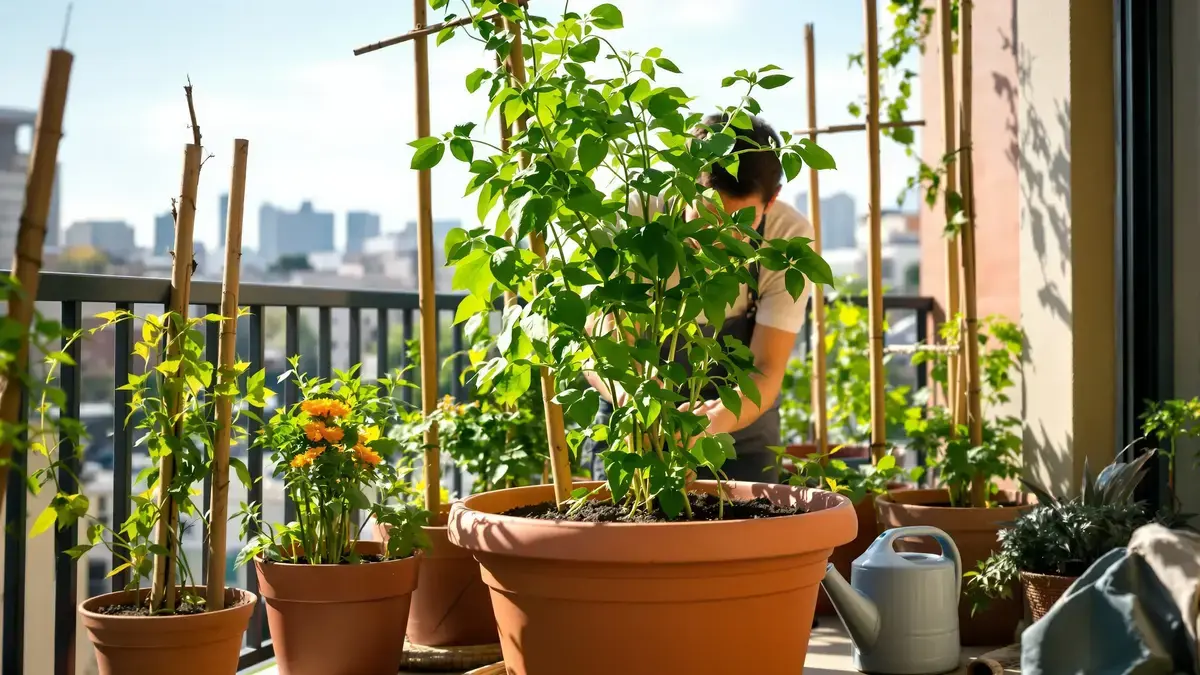

On a warm city afternoon, a pot sits quietly on a sunlit balcony, lush green leaves spilling over the edge. Despite spells of dry weather and a watering can gathering dust, the plant inside thrives—a surprise for anyone used to needy vegetables wilting in the heat. What sits there is a sweet potato, and its silent resilience hints at how overlooked this crop remains. Why is this drought-resistant root becoming an unexpected favorite among busy, space-strapped gardeners?
The Sweet Potato’s Quiet Adaptability
Touch the soil surface next to a sweet potato and it often feels powdery dry. Yet beneath, the plant’s deep, searching roots weave through every corner of the pot, drawing up lingering moisture far beyond reach of many vegetables. Its broad, waxy leaves shimmer with a soft light, subtly angled to shield themselves as the sun climbs. Each tuber hidden below is a living water tank, a reserve for lean times.
Choosing the Right Space and Materials
In everyday urban life—a terrace, balcony, or windowsill—the sweet potato proves undemanding. Pick any container with enough depth—about 40 centimeters deep and 50 centimeters wide—and be sure it drains well. Terra cotta keeps roots cool, while fabric grow bags allow breathability. Even an old bucket, holes punched in the bottom, can serve. Space is rarely an issue if vines are trained upward on bamboo stakes, where they snake toward the railing.
Simple Soil, Subtle Science
Not just any dirt will do. A blend of 60% universal compost, 20% well-rotted compost, and 20% sand or perlite sets the foundation. The soil should feel loose in the hands, not sticky, and settle at a slightly acidic pH—between 5.5 and 6.5. Avoid piling on extra fertilizer, especially nitrogen, which sends leaves sprawling at the expense of tubers.
Planting Without Fuss
Early summer evenings, after all threat of frost has passed and nighttime temperatures linger above 10°C, are perfect for planting. Shop-bought young plants offer speed; for the patient, a home sprout in a glass on a kitchen shelf will suffice—cut after roots take hold. At planting, drench the soil, then let it dry out between waterings. After the first month, sweet potatoes want neglect as much as attention—watering becomes rare, even in sweltering heat.
Mulch, Prune, and Leave Alone
A scatter of shredded leaves or straw—about 5 centimeters deep—over the pot locks in what little water remains, keeps soil cool, and crowds out weeds. Trim back trailing vines after they spill beyond a foot long, but never remove more than a third at once. These cuttings, laid in damp soil, readily root—a practical way to multiply plants.
Extra Yields, Less Trouble
Sweet potatoes excel in close quarters. Guiding vines skyward, not outward, maximizes light across tight balconies and cuts disease risks. Companion plants like basil or thyme help ward off pests, while marigolds stand as a quiet defense against soil-borne nematodes. Avoid crowding sweet potatoes alongside tomatoes or other nightshades—trouble can spread when relatives get too close.
Harvesting at the Right Moment
Four or five months pass—leaves fade to yellow, a telltale signal before autumn chill. With a gentle tug, pots are overturned; plump, earth-covered tubers loosen easily in the hands. A few hours of sunlight toughen their skins, before they cure for a week in a warm, humid space. Once finished, a cool, ventilated box keeps them ready for months.
Troubleshooting, Simply
Now and then, whiteflies gather under leaves, but a mist of soapy water is enough. Slugs shy from eggshells scattered around the stems. If a plant’s leaves yellow, a diluted herbal feed or sprinkle of compost rebalances nutrients. Leaf colors—purple or burnt edges—signal phosphorus or potassium needs, both easy fixes with simple garden remedies.
Edible Leaves and the Annual Cycle
Beyond the tubers, young sweet potato leaves offer an extra harvest, bright in salads or quickly sautéed on a stovetop. Regular picking encourages bushier growth, a quiet abundance. In late season, gardeners often save a tuber, starting next year’s crop indoors, shoot by shoot, as the cold sets in outside.
Endurance for Modern Urban Life
A sweet potato in a pot is greedy for little—some compost, the right pot, the patience to wait. In return, it brings food security and the calm satisfaction of greenery surviving even through parched summer days. With minimal water or attention, this crop stands out not just for its yield, but for the quiet reliability it offers to anyone, anywhere, with a bit of outdoor space.
