
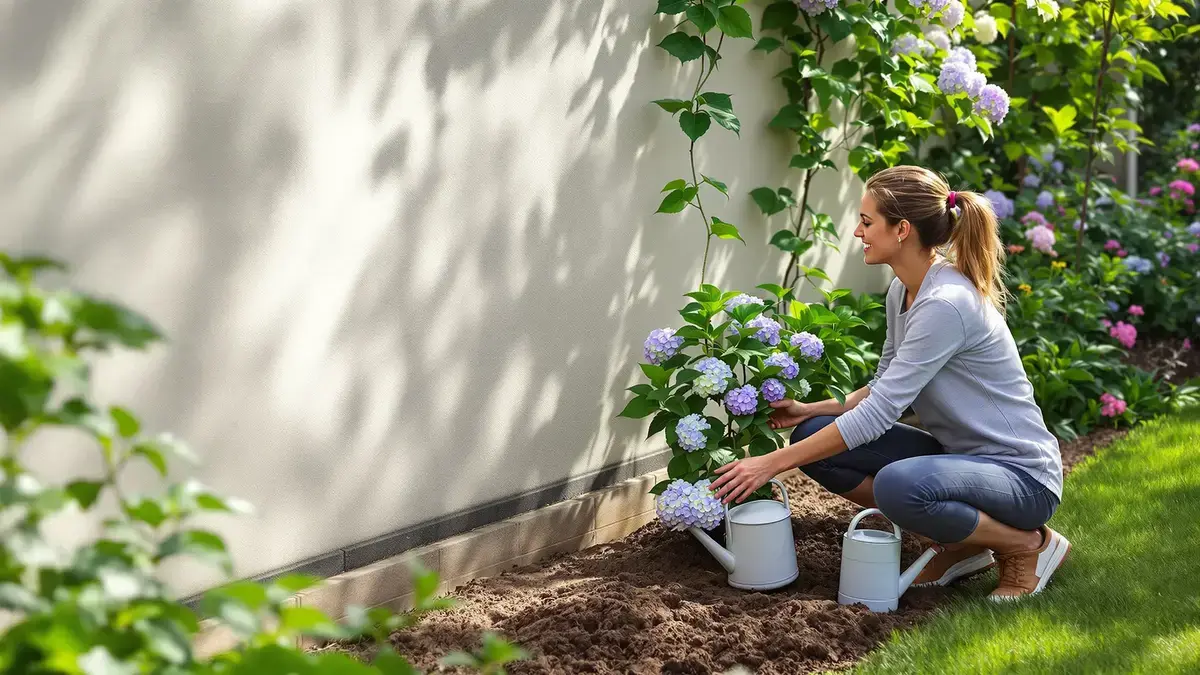

The start of the year is the optimal moment to inject new life into dull garden walls or fences. Garden designers are increasingly turning to climbing hydrangea as a solution that combines low maintenance with breathtaking aesthetic results. When planted before March, this striking species not only transforms vertical surfaces into living waterfalls but also lays the foundation for early, abundant blooms and long-term garden structure.
Climbing Hydrangea: Transforming Ordinary Walls Into Vertical Gardens
Climbing hydrangea (Hydrangea petiolaris) stands out for its ability to self-adhere using rootlets, meaning it requires no additional support to scale walls or fences. Once established, the plant can reach impressive dimensions—up to 15 meters high and several meters wide—making it a prime candidate for disguising unsightly areas or bringing life to garden boundaries. It thrives especially well in shaded or semi-shaded sites, including north and east-facing positions where most flowering plants struggle to survive.
A Four-Season Show: From Verdant Summer to Winter Interest
During the summer months, the deciduous foliage of climbing hydrangea is deep green and lush, providing effective coverage and a vibrant presence. As autumn approaches, leaves turn a golden yellow, brightening shaded garden corners that otherwise might remain overlooked. Even once the leaves fall, the plant’s intertwining woody branches maintain a strong visual anchor, delivering year-round architectural interest.
Spectacular Blooms and a Boost to Garden Biodiversity
Between May and July, climbing hydrangea produces abundant large white umbels, sometimes reaching up to 25 centimeters across. These impressive blooms not only draw attention with their honeyed fragrance but also become a magnet for pollinators, enhancing local biodiversity. After flowering, the remaining dried flower heads persist attractively through autumn and winter, granting the wall or pergola continuing decorative value.
Why Early Planting Unlocks Maximum Impact
Gardeners are encouraged to plant climbing hydrangea before March to ensure robust establishment. Early planting lets the roots develop rapidly during the last cool, moist weeks of winter, minimizing the transplant shock. With sap movement at its lowest at this time, the plant can settle in before the energetic arrival of spring. This strategic timing is crucial for guaranteeing lush coverage and an early start to the blooming period.
Simple Guidelines for Lasting Success
For best results, choose a spot with well-drained, humus-rich, slightly acidic or neutral soil—though the plant does tolerate light lime. Dig a wide, deep hole (about 50 centimeters), enrich the base with compost, and position the crown at soil level. Backfill, water well, and add mulch to conserve moisture and protect roots. Regular watering is only required for the first two years; once established, climbing hydrangea is notably drought-tolerant.
Minimal pruning is needed—simply trim after flowering to shape the plant or remove unwanted branches. An annual top dressing of compost or organic fertilizer each spring encourages robust flowering, while ericaceous amendments can be added if desired to gently acidify soils.
A Multi-Purpose Choice Suited to Every Level of Experience
Climbing hydrangea serves a variety of landscape roles: not only does it climb walls, it can also act as ground cover, conceal slopes, adorn pergolas, or serve as a green privacy screen. Its resilience, adaptability, and limited maintenance requirements make it a powerful tool in both new and established gardens, suitable even for novice gardeners. Its flourishing presence and reliability have earned it the reputation as a “Swiss army knife” of garden design.
Establishing climbing hydrangea before the onset of spring sets the stage for a strong, early-flowering display that keeps its appeal throughout the seasons, combining both structural value and ornamental beauty in temperate gardens.
