
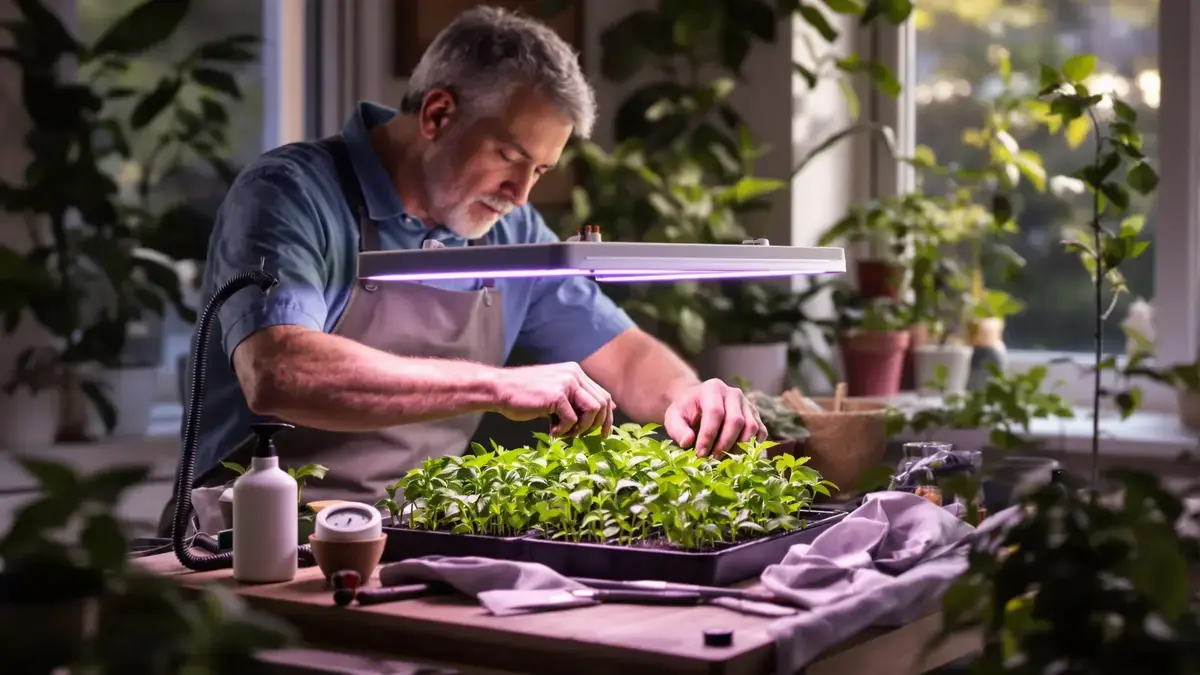

As February unfolds, tomato seedlings take center stage in the gardening calendar. Yet, while warmth encourages seeds to sprout, it often misleads growers into overlooking the vital role of light and temperature balance. Ignoring these elements results in fragile stems and compromised harvests. Mastering the nuances of seedling care this month determines not just plant vigor but the quality of the yield that follows in spring.
Understanding the Light-Temperature Equation for Tomato Seedlings
Gardeners are frequently advised to nurture their seeds in warm indoor environments as winter lingers. However, experts emphasize that warmth alone is insufficient for the healthy development of tomato seedlings. The core issue is an imbalance when high temperatures combine with inadequate light. After germination, seedlings urgently require robust illumination for proper photosynthesis. If this element is missing, the plants become etiolated: they elongate, turn pale, and develop weak root systems.
The challenge intensifies in February due to shorter days and low sun angles. Even seemingly bright window sills provide less than 1,000 lux—far below what tomatoes require for building a strong structure. Moreover, window glass can filter out important light wavelengths, compounding the problem and leaving seedlings starved for the energy needed to grow sturdy stems.
Artificial Lighting: Simple Tools for Stronger Plants
Current horticultural advice highlights the ease and effectiveness of supplementing natural light with artificial sources. Using an LED grow light or even a cool-white LED lamp with a temperature of 6,500K can closely mimic natural spring sunlight. Providing 14 to 16 hours of blue-rich illumination daily gives seedlings the prompt they need to grow short, thick stems and vibrant green leaves.
A basic 20 to 30-watt lamp, positioned about 10 centimeters above the plants, is adequate for a tray of seedlings. It is crucial to adjust the lamp’s height as the plants grow; allowing too wide a gap encourages the same weakness that natural low light produces. This method is not only effective but also cost-saving, reducing the need to purchase mature plants at premium prices later in the season.
Optimizing Temperature for Compact Growth
While light is essential, the role of temperature remains critical. Immediately after the first leaves emerge, reducing air temperature to a range of 15–18°C helps seedlings develop thicker stems and shorter internodal distances. This cooler environment strengthens root systems and limits excessive elongation.
Seedlings placed directly above radiators or in continuously heated rooms may look healthy at first but often become overly tall and weak. Controlled cooler temperatures, combined with the right light exposure, lay the groundwork for healthy transplants that withstand outdoor conditions later in the year.
A Practical Guide for February Success
To achieve strong tomato seedlings, begin by sowing seeds in a light, moist substrate. Once the seed leaves appear, introduce the LED lamp at an optimal distance and maintain a consistent light and darkness cycle. Always monitor the color of the leaves—a deep green is a sign of success. Be cautious about overwatering; extra moisture does not compensate for a lack of light and instead invites disease and root troubles.
Regularly check the growing setup to ensure that lamps do not burn the plants’ tender leaves. If seedlings appear pale or stretched, increase light intensity or bring the source closer. After 3 to 4 weeks, transplant each seedling into a larger pot to encourage further root expansion.
Long-Term Advantages: Early and Robust Harvests
Gardeners who manage to offer seedlings a steady mix of ample light and cool temperatures in February set up their tomatoes for a productive year. Short, solid seedlings adapt quickly to outdoor conditions, resist diseases better, and start producing fruit ahead of schedule. The difference comes down to a simple principle: a balanced approach in the early stages pays dividends when the harvest arrives.
A brief correction to light and temperature settings provides a substantial edge as the new season begins. Plants that grow with only heat are weaker, much like those fed a hollow breakfast. By providing both elements in proper measure, gardeners give their tomato plants the foundation to achieve their full potential.
Conclusion
Properly managing light and temperature for tomato seedlings in February proves crucial for ensuring a healthy, fruitful crop. Growers who balance these factors witness stronger plants and improved yields, demonstrating that a thoughtful approach in these early weeks is central to gardening success.
