
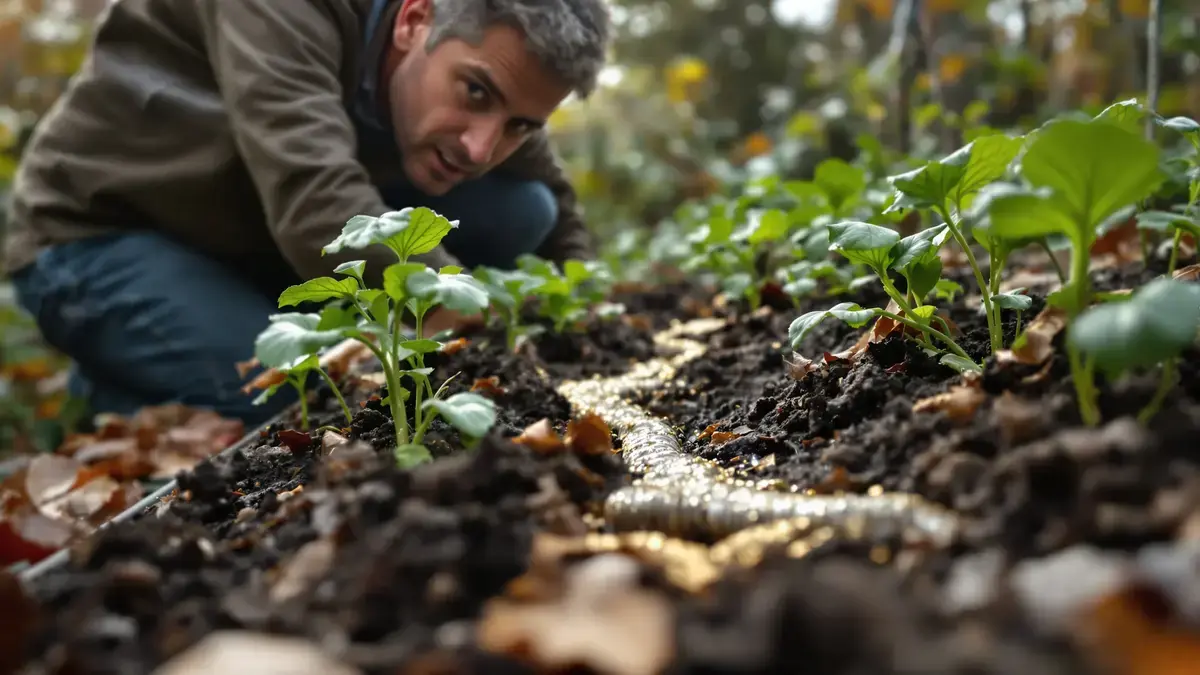

It’s just past dawn and the new seedlings stand trembling, their leaves damp and open to the promise of a gentle day. Yet, along the shaded line of a raised bed, you notice a shimmer—a wet, silvery trail—threading through the soil. Something is already moving beneath last autumn’s tangled leaves and the still-cool mulch, advancing quietly and much sooner than you expected. For gardeners, these early moments of the year can carry a silent tension, the hope of growth shadowed by a familiar threat whose arrival often catches even attentive eyes off guard.
Wet Mornings, Restless Visitors
Mild winters shift the rhythm of the garden. Where once cold would pause most life, instead humidity and lengthening days stir slugs and snails from their shallow hiding places. On soft February days, if you kneel close to the soil, you’ll see gaps in the seedlings and faint holes picked into the new leaves—traces of creatures making the rounds before sunrise. The pace is slow but relentless. Under persistent clouds and lingering dew, the conditions are just right.
A Hidden Feast That Doesn’t Wait
Strong, green shoots draw attention, but it’s the youngest, smallest plants that suffer first. In a single night, whole rows of lettuce, cabbage, or early spinach can be whittled to stems. Tender flower buds and fragile leaves are not spared: dahlias, hostas, even nasturtiums vanish quietly beneath a shallow crust or mulch. There’s a quiet devastation to discovering your early efforts gone, seemingly swept away without warning.
Mistakes That Invite the Gluttons
Many gardeners, eager to protect and water their crops, make a subtle error: evening watering. Damp soil at night becomes an open invitation. The lingering moisture, cool and comforting to plants, is also everything these gastropods crave. The truth is simple but often overlooked—watering in the morning leaves soil drier by dusk, and fewer unwanted guests surface when darkness falls.
Gentle Tactics and Natural Allies
Responding with harsh chemicals risks more than it helps. Chemical pellets might curb damage for a while but unsettle the balance of a living plot; predators—hedgehogs that shuffle beneath brush, toads hidden near a shallow pond, and birds that sift through winter’s leftover seeds—each lose a meal. Encouraging these natural predators is quieter, slower, but deeply effective.
Simple barriers reshape the battle lines. Copper tape startled by moist bodies, crushed eggshells, or rough mulch, all make the journey less appealing. Beer, poured into a sunken dish, lures with one kind of promise, and a halved melon provides harmless shelter—a place for a morning collection before breakfast. Some plants, with pungent leaves or stubborn texture—lavender, sage, thyme, even coarse-leaved ferns—are left untouched, natural shields within a patchwork of vulnerability.
A Living Balance in the Garden
The answer is neither endless war nor careless surrender. Early awareness, habit changes—like watering as the sun climbs and hoeing the soil to unearth hidden eggs—provide a subtle defense. Mixing repellent plants among the sensitive ones, gently tilting the odds toward resilience, keeps crops and colors intact with only a light touch.
The sense of loss in a ruined row is sharp, but the recovery is real. Every living garden hosts slugs and snails. Seen not as enemies but as part of the plot’s living fabric, their numbers settle over time, checked by hungry beaks and curious hedgehogs, discouraged by drier soil and tough mulch.
The ebb and flow continue, season to season, but with measured intervention and thoughtful habits, the garden remains—alive, productive, and quietly abundant.
