
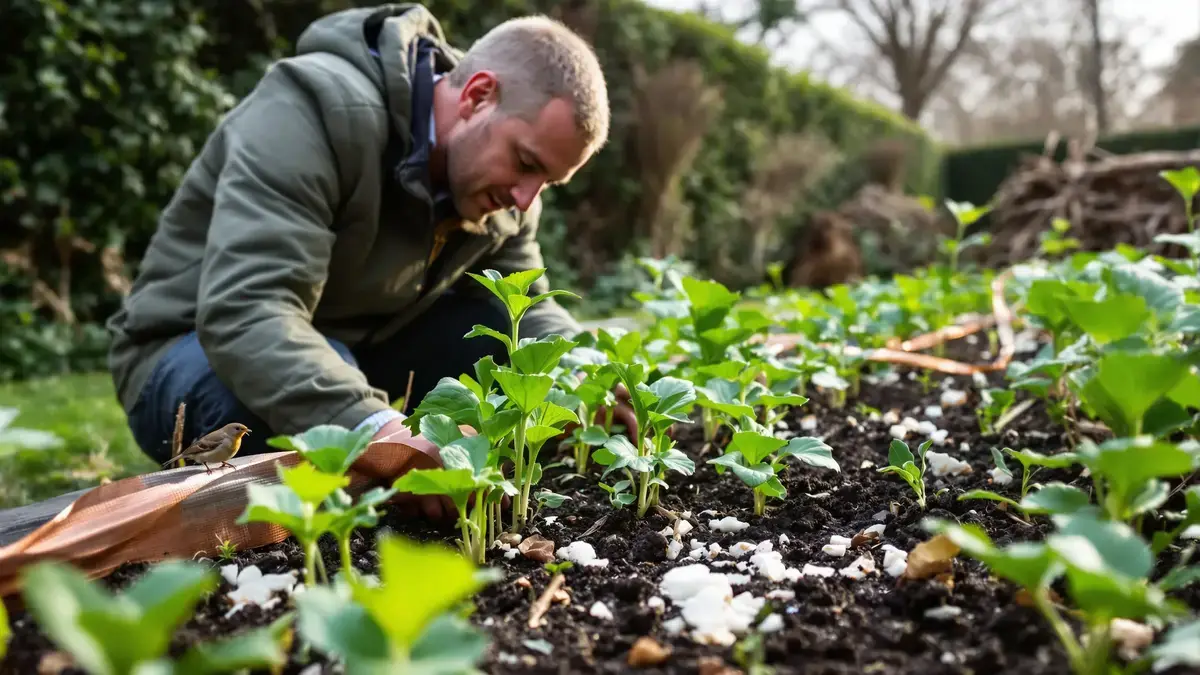

With milder winters becoming more common, garden pests that once remained dormant until spring are now appearing much earlier in the year. Slugs and snails have begun threatening seedlings as soon as February, creating new challenges for gardeners keen to protect young growth. The stakes are high: without early intervention, these pests can devastate emerging plants, turning months of preparation and hope into overnight disappointment.
Early Emergence Alters Garden Dynamics
Changing weather patterns have shifted the seasonal behavior of slugs and snails. Traditionally dormant through winter, these gastropods now awaken and become active much sooner in response to mild temperatures, humidity and repeated rainfalls. Their early presence means vulnerable seedlings, tender leaves, and developing shoots are at risk from the outset of the gardening season. Even crops and flowerbeds that appear established can experience rapid damage, often noticed only after a single night. Leafy greens and popular ornamentals are particularly targeted, making vigilance crucial from late winter onward.
The Hidden Cost of Routine Mistakes
Many gardeners inadvertently make the situation worse by relying on chemical controls or delaying protective measures. The use of pesticides can upset the garden’s ecological balance, harming beneficial insects and animals alongside pests. Meanwhile, waiting until evidence of damage appears before taking precautionary steps allows slug and snail populations to establish themselves, often beyond simple remedies. Recognizing the need for proactive, not reactive, responses is vital to sustainable pest management.
Boosting Natural Defenses through Biodiversity
Encouraging a healthy ecosystem is the most effective and environmentally sound way to limit gastropod damage. Natural predators—such as hedgehogs, toads, blackbirds, thrushes, and starlings—play a key role in population control. Gardeners can attract these allies by creating habitats like piles of branches, dense hedges, or small ponds. Such biodiversity ensures that slugs and snails are kept in check without resorting to harsh interventions, building long-term garden resilience.
Clever Barriers and Non-Toxic Traps
Physical methods remain an important defense. Copper tape wrapped around pots and beds provides a gentle deterrent, repelling slugs and snails with a mild electric sensation. Similarly, mulches made from sawdust, crushed eggshells, or wood ash create surfaces that are uncomfortable for these pests to cross. Gravel and sand have similar effects by making movement both dry and abrasive. For gardeners seeking collection methods, beer traps or inverted citrus shells laid on the soil overnight attract gastropods, which can then be removed easily in the morning.
The Power of Plants: Repellents and Companion Planting
Thoughtful choice of plants can provide natural protection. Aromatic herbs such as lavender, sage, and thyme not only repel slugs and snails with their strong scents but also enhance the garden’s sensory appeal. Other varieties, like ferns and geraniums, are unappealing to gastropods and can serve as protective buffers for more susceptible plants. Mixing these species creates a layered defense, reducing the attraction of key crops and preserving garden diversity.
Smarter Cultivation Practices
Daily routines make a difference. Watering plants in the morning prevents evening moisture, which otherwise promotes slug and snail activity overnight. Regularly hoeing the soil exposes eggs and juvenile gastropods to the open air—where natural predators find them—further limiting populations before they can damage crops. Strategic companion planting, combining attractant and deterrent species, adds another layer of integrated protection across the garden.
Managing, Not Eradicating, the Gastropod Threat
The leading gardening philosophy now focuses on management over elimination. Slugs and snails, while troublesome, also contribute to the ecosystem’s balance. Integrating natural controls, favoring physical and botanical methods, and modifying gardening techniques allow for a more harmonious relationship between all inhabitants of the garden. The central aim is to anticipate threats, act early, and maintain sustainable practices—transforming these slimy visitors from overwhelming pests to manageable elements of a thriving garden system.
As winters shift and the gardening calendar advances, the challenge of early gastropod attacks grows more pronounced. Success depends on prompt recognition and adapted measures that combine ecological awareness with practical strategies, giving every garden a fighting chance for vigorous seedlings and lasting beauty.
