
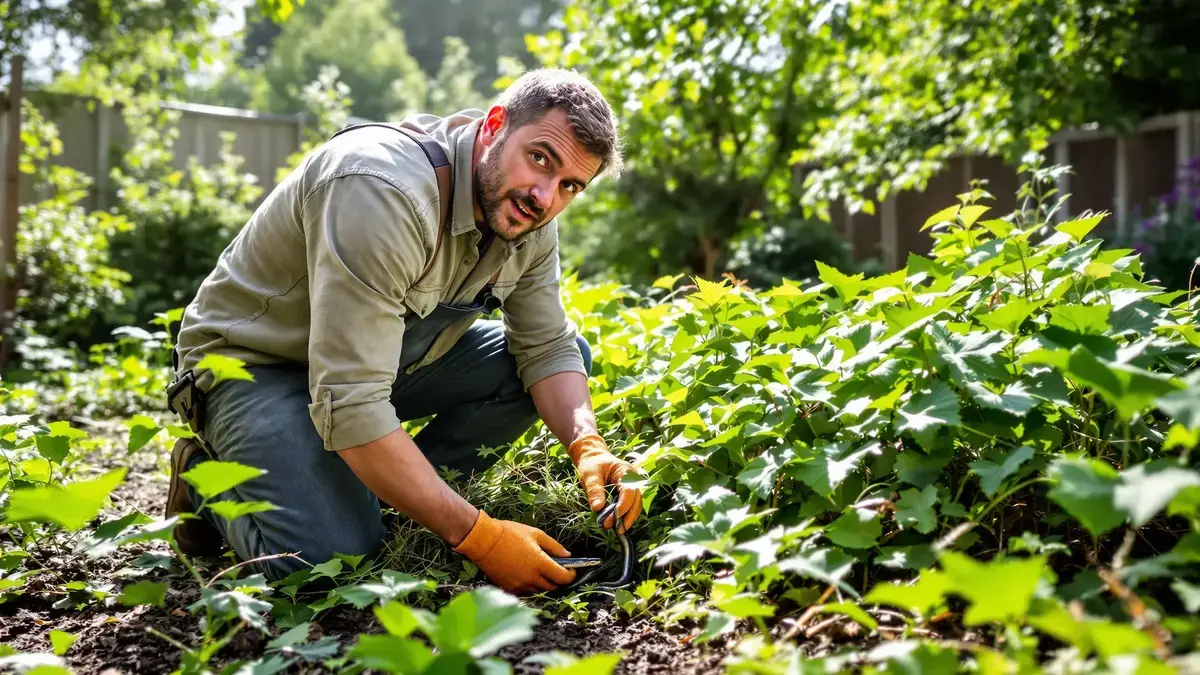

Many gardeners believe that all plants help deter snakes, but experts reveal a contrasting truth: certain vegetation structures can in fact attract these reptiles. This reality challenges longstanding assumptions and highlights the complexity behind garden ecology, where plant choice and landscape design directly influence whether snakes are likely to appear. Understanding how and why specific plants draw in snakes is crucial for anyone seeking to manage outdoor spaces safely and responsibly.
The Refuge Effect: Why Dense Vegetation Attracts Snakes
Dense, low-growing plants often create a "refuge effect", serving as ideal hiding places for snakes. Rather than repelling these reptiles, thick foliage and tangled stems develop shaded microhabitats, offering shelter from predators and protection against extreme weather. Because snakes are cold-blooded, they rely on the temperature moderation these plants provide: in warm times, shade from leaves keeps snakes cool; when temperatures drop, dense vegetation traps heat. The need for safe, stable environments makes areas with abundant plant cover highly attractive to snakes looking for both rest and refuge.
Structural Features and Seasonal Preferences
Physical characteristics of certain plants make a significant difference. Snakes are most drawn to vegetation between twenty and sixty centimeters high, where movement is easy but concealment is still effective. Plants with creeping stems, tangled roots, and persistent ground leaves—such as ivy, groundcovers, creeping juniper, cotoneaster, and other low, intertwined species—are particularly favored. In spring, snakes search for open, sunny patches for basking, whereas summer finds them hiding in cool, shaded places under thick growth. Come autumn, the reptiles seek out sheltered areas layered with fallen leaves to prepare for hibernation. This pattern means plant structure and seasonal cycles continually influence snake activity and presence.
Indirect Attraction Through Prey and Environmental Context
Beyond offering physical shelter, some plants attract insects and rodents, which are primary food sources for snakes. Gardens located near wildlands, fields, or water sources naturally increase the odds of hosting small mammals and therefore snakes. As a result, the attractiveness of a garden to snakes depends not just on vegetation, but on the abundance of prey and the surrounding landscape. Seasonality impacts this dynamic as well: shifting prey populations and environmental temperatures shape where snakes are likely to spend their time.
Balancing Biodiversity with Practical Snake Prevention
Snakes fulfill an essential ecological role as predators, helping control rodent and insect populations. The same plant shelters that draw snakes also support other wildlife, contributing positively to overall biodiversity. Yet, excessive hiding places may increase snake encounters in residential areas. For those seeking to limit snake presence, experts recommend minimizing dense cover: replacing thick groundcover with open-structured plants, keeping lawns short, removing log or stone piles, and incorporating gravel or mulch instead of lush vegetation. Borders edged with aromatic herbs like lavender or rosemary, which lack density, are less appealing to snakes and reduce their opportunities for concealment. However, every action to reduce snake habitats may decrease biodiversity and disrupt the natural balance that keeps pests in check.
Ecological Trade-Offs and Conscious Garden Design
The relationship between plants and snakes is not simply a matter of attraction or avoidance. Choices in garden design require compromise between minimizing unwanted encounters and maintaining a healthy ecosystem. Removing too many hiding places can inadvertently allow pest populations to rise, while rich vegetation supports greater ecological variety, including beneficial predators like snakes. Recognizing these trade-offs helps guide responsible, informed garden management aimed at both safety and environmental health.
Expert analysis demonstrates that some plants unmistakably attract snakes by offering shelter, thermoregulation, and abundant prey. While dense groundcovers and tangled vegetation increase the chance of snake presence, reducing these features can limit encounters but may affect the balance and biodiversity of the garden. The interplay between plant structure, ecological context, and wildlife needs determines the unique character of each outdoor space.
