
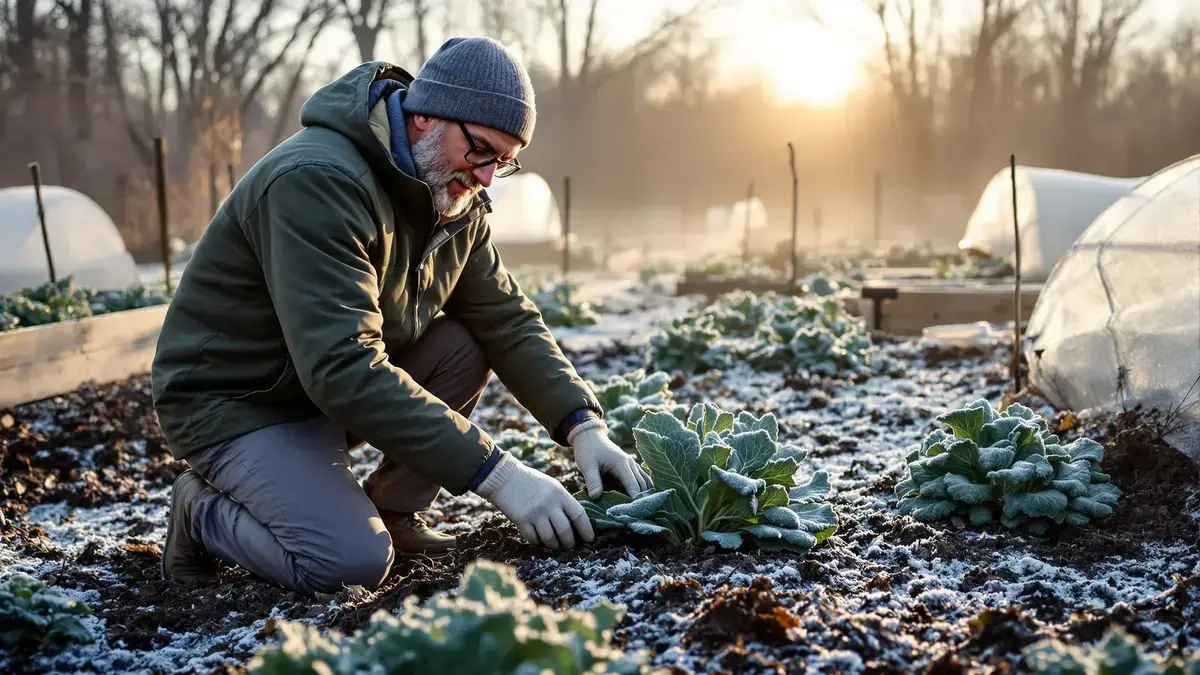

A thin rim of frost glitters across the morning soil, holding in its silence the sharp promise of winter. In the world just outside the kitchen window, the garden lies patient and silent beneath a chill that seems to mark an ending—and yet, something else is happening beneath the surface. Old sayings whisper that a cold snap might be the secret advantage a gardener needs, but the truth running through that earth is far more complicated than it first appears.
Beyond the Frost: What Cold Really Does
Small patches of last year’s kale stand resolute in the shivering bed, leaves curled tightly. The air smells faintly metallic, the ground refusing a spade’s edge. There’s an old belief that these wintry days strengthen gardens for the season ahead. In reality, experts caution, winter’s bite is not a straightforward friend.
Freezing temperatures disrupt the growth of most plants. While some crops can tolerate a brush with frost, many pause. Roots struggle as ice laces their world. Cold alone does not guarantee bounty; it can weaken or outright end the dreams of those who hoped for early green shoots.
Nature’s Reset: Pests, Pathogens, and Soil
Yet not every winter adversary is unwelcome. A hard freeze can work subtle benefits against garden enemies. When conditions are severe, overwintering insect larvae—slugs, aphids, the unseen culprits—succumb. Fungi and bacteria, ever eager to thrive in milder weather, are held at bay. This natural cull gives hope for a cleaner slate next spring.
Something less visible unfolds beneath the soil. Each cycle of freeze and thaw breaks up clods, gnawing at the dense fabric of earth. The result: soil made light, easier to work, with improved drainage. Water expanding in frigid silence creates cracks and pockets, breathing new air into the ground. Meanwhile, organic matter continues its slow breakdown, feeding invisible life even while the world above is cold. By the time the thaw sets in, nutrients are closer to hand for eager spring roots.
The Subtle Art of Protection
Experienced gardeners know that winter is not a season to simply endure. Precautions are as much a part of the ritual as anticipation. A layer of straw or well-laid mulch shields the soil’s skin, holding moisture and fending off erosion from harsh winds. Under these blankets, earthworms and helpful organisms linger, shielded from the extremes.
For plants that cannot tolerate the deep freeze, things grow more elaborate: tunnels of clear plastic, rows of cold frames, tightly stretched frost cloths. Raised beds, with their extra warmth and swift drainage, provide small sanctuaries. The simple act of keeping the soil moist—odd in this dormant season—helps roots resist freezing. In sheltered corners, the winter’s grip loosens a bit earlier, and here is where victories are won quietly.
Crops That Welcome the Cold
Kale, leeks, Brussels sprouts—these vegetables deepen in flavor as temperatures drop. Frost turns starches to sugars, lending a sweetness not found in their summer selves. Hardy greens still harvestable in January carry a quiet pride. Carrots, turnips, and other root crops rest peacefully underground, their life extended by the very chill that slows their growth.
For some, winter is a living larder. The cold preserves, makes storage easier. A carefully managed garden continues to give well after the last tomato vine withers.
A Season for Rebuilding and Reflection
Winter lingers, long and grey, but for those who watch their plots closely, it brings new perspective. This is a time to think: what flourished, what failed, which corners were beset by slugs, which rows suffered from blight? Records fill, seed catalogs accumulate on the table, tools are sharpened and mended under the pale light of short afternoons.
Beyond the practical, there’s something restorative in winter’s demands. The absence of labor becomes a presence felt—the ground rebalances itself, and so do those who tend it.
An Opportunity, Not a Guarantee
The old wisdom about winter’s gifts holds a kernel of truth—but only that. Cold can be a force for balance but is never a simple ally. Protection and planning are needed to carry vulnerable plants through the hardest nights, and every advantage is earned by attention rather than hope alone.
When the ground finally yields, when the first green unfurls, it is not the hand of winter alone but the careful hand of the gardener, measuring and managing risk, that sets the stage for a healthy harvest. The cold months are not a pause. With a clear eye and the right touch, they are the quiet beginning of everything to come.
