
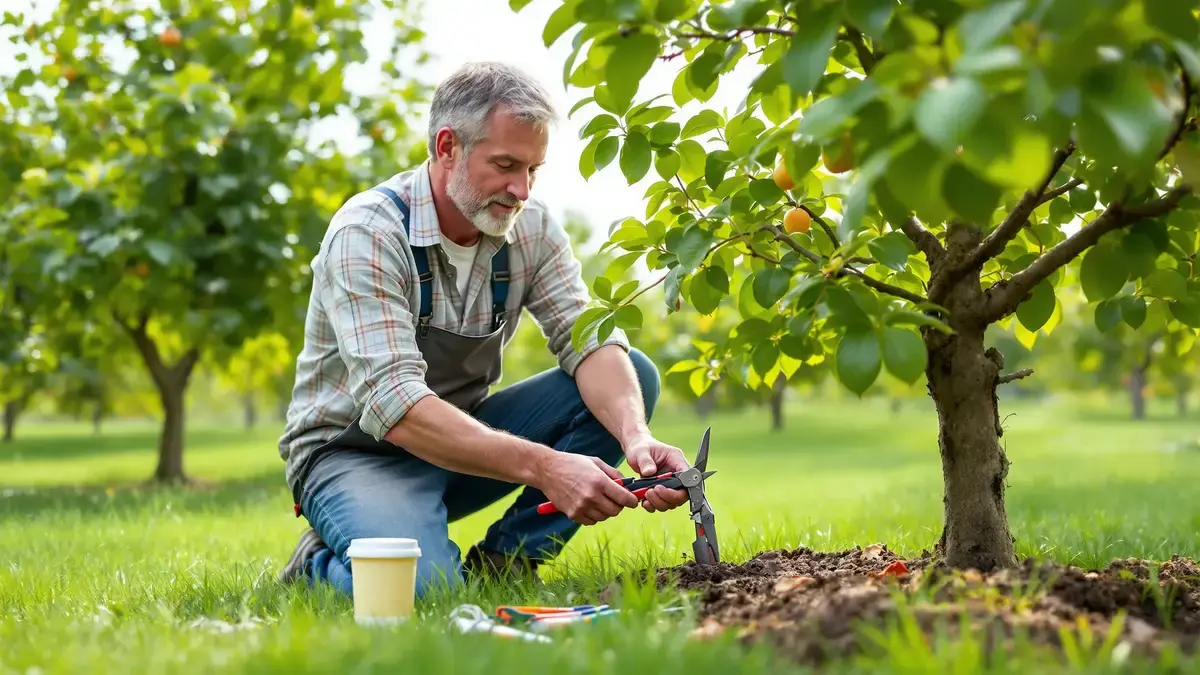

A fruit tree in full leaf promises plenty, its branches quietly carrying the weight of the coming season. Yet, at ground level, slim pale shoots begin to cluster—unnoticed by most. These vigorous offshoots, quick to rise from the base, can quietly sap the strength from even the healthiest tree. Their effect is surprising, and more critical than many expect.
Hidden Competition Beneath the Leaves
Beneath a canopy of green, the roots and base of a fruit tree are rarely inspected. Here, basal suckers push up unexpectedly, often mistaken for new growth. In reality, these shoots emerge from the rootstock, not from the productive fruit-bearing graft above.
Once established, these suckers grow fast, pulling valuable sap. Energy that should nourish spring blossoms or ripen apples is instead consumed below, out of sight.
The Genetics Behind Unwanted Growth
Rootstocks are chosen for their endurance, but the very qualities that make them resilient can also make them assertive. Some combinations between rootstock and grafted fruit varieties struggle to harmonize. Where the fit is poor, suckers form more frequently—resistant, vigorous, and determined.
A trunk may also bear “gourmand” shoots—strong vertical stems that appear along the bark. These, too, steal strength, often multiplying in quiet corners.
Meticulous Removal for Lasting Health
Each removal must be considered, not rushed. Exposing the soil around the base reveals where these offshoots begin. Using sharp, sturdy pruners, the sucker should be cut right where it starts—at its root origin.
Care is needed; damaging roots can lead to more shoots in future, making the issue worse. Some gardeners seal the wounds to guard against infection, halting opportunities for hidden disease. On the trunk, any new shoots should be sliced flush with the bark the moment they are noticed, preventing the drain before it starts.
Neglect Invites Invisible Decline
With each season, unchecked suckers multiply, drawing nutrients away from fruit buds. Over time, their presence invites silent problems—reduced harvest, fading vigor, or creeping illness within the tree. The threat is rarely loud, but unmistakable by late summer, when fewer ripe fruits dangle and the branches seem less generous.
Preserving an Orchard’s Promise
The simple act of removing these “energy thieves” supports both strength and yield. Skilled, regular attention keeps disease at bay and the true potential of the tree intact. In the quiet work at the base of a trunk lies the health of future harvests—rarely celebrated, but vital in every productive orchard.
