
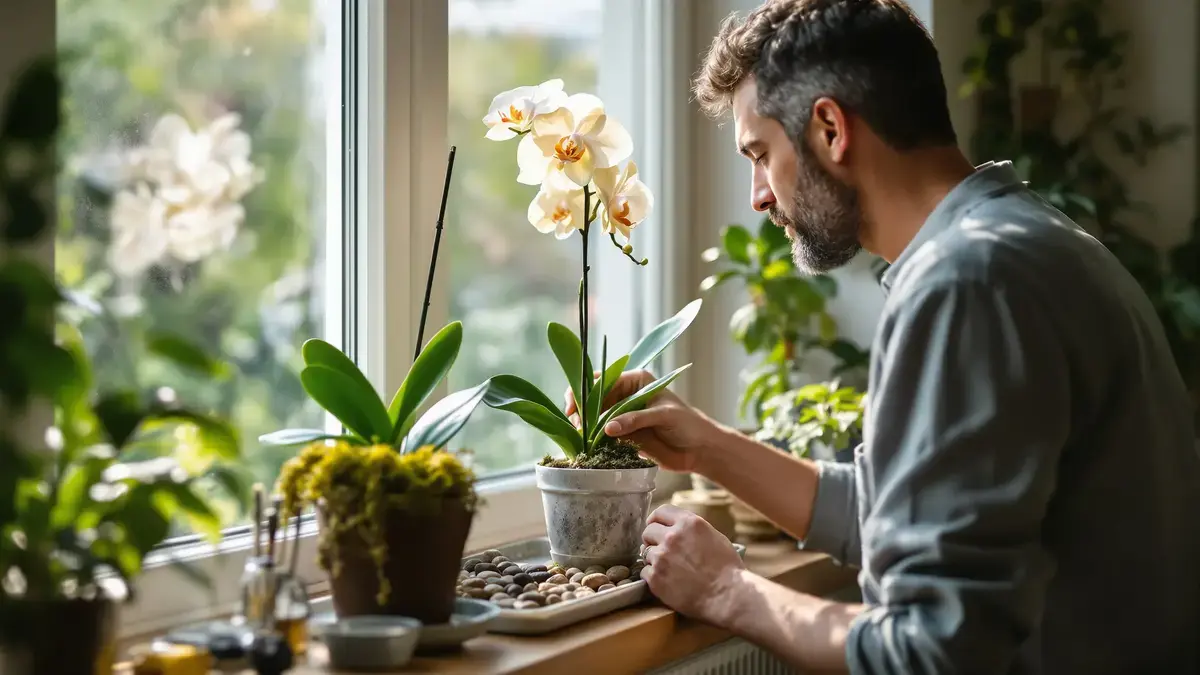

Early morning light seeps through a window, catching the edge of a pale orchid. Its petals, almost translucent, hold a gentle promise—yet for many gardeners, coaxing these wild beauties to flower at home remains elusive. Behind the allure of delicate blooms lies a set of challenges that, if misunderstood, can stifle their vibrant display.
Understanding Wild Orchids in the Home Garden
For all their reputation as symbols of exotic elegance, wild orchids have practical needs. Some attach high in trees, roots free in the air; others nestle in forest soil. Attempting to grow them without grasping this split can lead to disappointment.
A pot perched on a sunny sill may seem ideal, but too much direct sun singes the leaves. It’s easy to forget these plants often grow under dappled canopies in the wild.
The Importance of Substrate
The heart of an orchid’s health lies in its roots. Epiphytic species demand an airy blend—pine bark, sphagnum moss, and perlite let roots breathe, echoing their natural habitat up in the branches. Terrestrial orchids, like those found along woodland paths, turn to a richer base: fine bark, soil, peat, and perlite.
If water pools or the mixture compacts, roots suffocate. A handful of moist substrate offers the right texture: plump, but never soggy.
Light, Humidity, and Temperature: Subtle Balances
An east- or south-facing window glows without scorching. Under this filtered light, orchids thrive. Temperature shifts—warm by day, cooler by night—mirror the outside world. Experts note that a daily swing of 5 to 10°C gently encourages blooming.
Dry indoor air can sap vitality. A simple tray of pebbles and water below the pot helps restore humidity close to the leaves.
Careful Watering and Feeding
It’s tempting to water often, but restraint matters. Orchids prefer infrequent, thorough soakings with rainwater or chlorine-free water. A few minutes of immersion draws moisture in, then the pot drains, leaving roots damp but not waterlogged. Fertilizer, used lightly every other week during growth, sustains the promise of flowering without overwhelming the plant.
Repotting and Vigilance
Roots eventually tangle and exhaust their space. Every two or three years, repotting refreshes the orchid’s world—new nutrients, space to explore. Regular glances at the color and firmness of roots, or the sheen of leaves, reveal early stress and let gardeners respond before trouble sets in.
Orchids and Their Natural Tricks
In the wild, orchids depend on precise cues. Their colors and scents call to insects; some flowers even mimic a pollinator’s mate, a subtle ruse. The garden version benefits from a similar sensitivity—matching species with climate and soil preserves their intrinsic adaptability.
Certain types, like the captivating Habenaria medusa, only flourish with very specific soils and temperatures, a reminder of nature’s fine detail.
Creating a Supportive Garden Environment
Companion planting matters, too. Clusters of leafy plants hold in moisture, shade roots, and buffer temperature shifts, creating a friendlier microclimate. A gardener’s eye, attuned to subtle changes, bridges the gap between cultivated beds and wild places.
Concluding Observations
Growing wild orchids rewards close attention and patience. Success hinges less on shortcuts, more on a willingness to meet their genuine needs. In adapting the approach—slowing down, observing, and responding—gardeners find themselves woven into nature’s quiet intricacies, and wild orchids return the favor with their rare and lasting blooms.
