
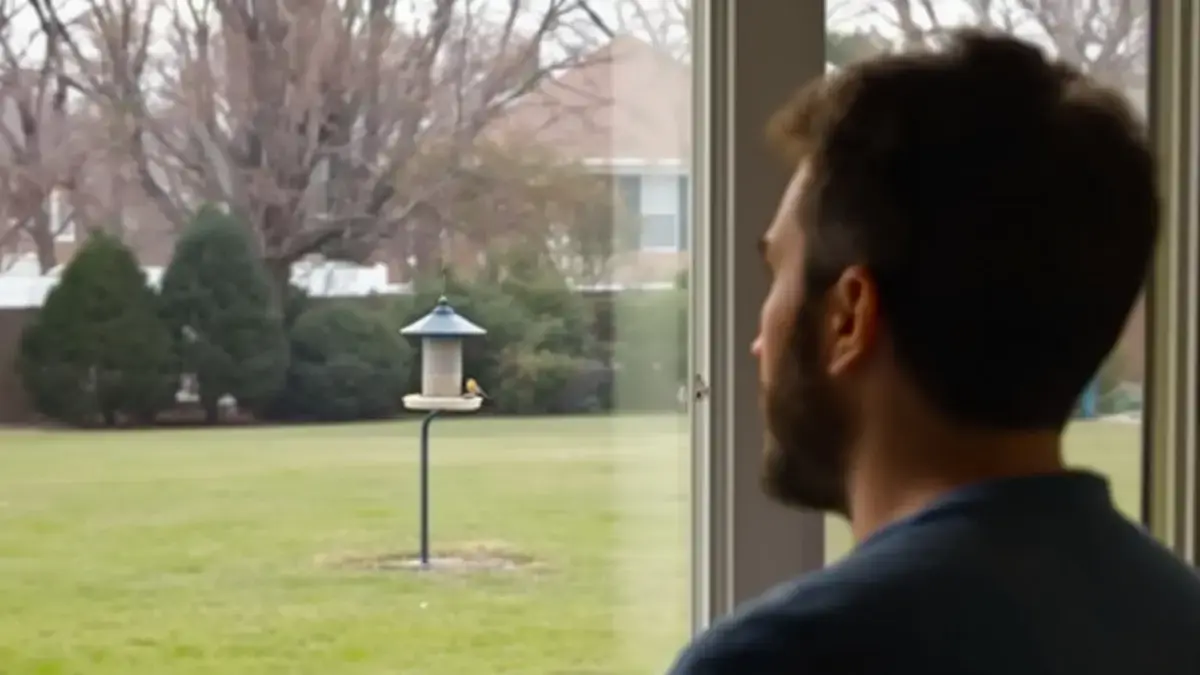

A garden carefully prepared, a feeder filled to the brim, and yet, nothing but the soft rustle of leaves as another winter afternoon drifts by. Perhaps you have noticed this too—familiar perches remain empty, and not a single chirp breaks the stillness, even though a feast is ready. For those who remember the lively presence of birds in years gone by, it can feel strangely quiet. The puzzle seems simple, but there is an overlooked detail that matters more than any seed or gadget.
The Subtle Logic Behind Empty Feeders
From a window, a feeder in clear view may seem inviting. For the birds, life is about more than a free meal. Each time they land, their world narrows to potential threats. Eating means distraction; in those tiny moments, a bird is vulnerable. Instinct tells them that survival must come before hunger.
A bright, open lawn with a feeder standing alone is not the welcoming place it seems. Instead, it's an exposed stage under the gaze of watchful eyes from above. Safety is the deciding factor for every visitor. A food supply means little if the approach feels like a risk.
Understanding the Need for Cover and Distance
Think of the way birds flit between hedges and trees, never crossing an open space unless they have to. Dense cover offers shelter, but if it's too close, new dangers appear. Shrubs pressed against a feeder may become perfect hiding spots for predators lurking below—especially cats, patient and silent in the shadows.
For birds, the best chance is a feeder located with care. Not too close to thick ground cover, and not lost in the middle of the yard. Research and careful observation agree: about three meters from a protective bush or tree is just right. At that distance, an escape is quick, but not so close that danger can pounce unnoticed.
The Importance of a Staging Perch
You may have seen small birds land near the feeder, linger on a branch, scanning, hesitating, before they finally dart in to take a seed. These "staging perches" are vital. They let birds judge the scene. An exposed or awkward approach leads many to keep their distance instead.
A feeder, when paired with a secure transition zone—a low branch, a thick hedge nearby but not enveloping—becomes a more attractive stop. Birds can pause, check for threats, and leave in an instant if trouble appears.
Windows: The Unseen Hazard
Sometimes the greatest risks are built into our daily routines. Placing a feeder beside a window brings the garden scene close, but for birds, reflective glass becomes a silent trap. At the wrong distance, a startled bird may fly into a window at full speed, misreading reflections as open sky.
Positioning matters. Less than a meter from the glass, or more than three meters away—these placements minimize serious collisions. In between, the danger is greater, and small changes one way or another can keep visiting birds safer.
Building Safe Corridors Through the Garden
Birds naturally prefer to move along sheltered paths. Connected vegetation—"stepping stones" between the feeder and the rest of the garden—allows for easy, hidden travel. Even a single old tree or a leafy hedge can invite more guests by providing routes that avoid open exposure.
Forging these connections does not mean giving up beauty or order. Rather, it is seeing the garden as birds do: a patchwork of possible retreats. By adjusting the layout, new life often returns.
The True Secret: Place Over Product
Time and again, experience shows that the type of seed or the fanciness of a feeder cannot make up for poor placement. For birds, safety is the basic requirement. When the feeder is set well—visible, but close by cover, with escape routes clear on all sides—suddenly the empty silence gives way to bursts of color and fluttering wings.
Hospitality for wild birds is not just about what you offer, but how you consider their world. The act of looking at a garden, not just from the armchair but as a nervous wren might, brings new understanding. Safe refuge, not just an open banquet, is the real invitation.
Perspective Beyond the Seed
The sight of a single robin or the return of a flock can feel like a small celebration. Changes in feeder placement can quietly alter the daily rhythms outside the window. Over time, awareness of what truly matters creates a more welcoming space for wildlife, reminding us that the smallest adjustments sometimes echo furthest.
