
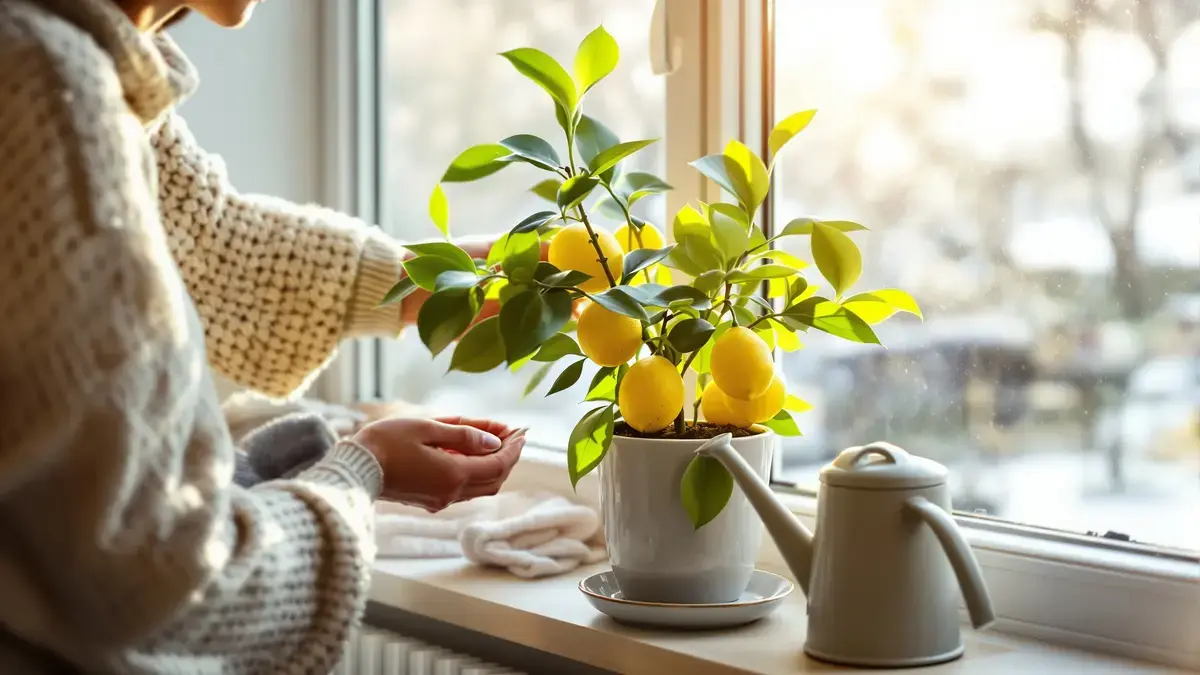

On a winter morning, a potted lemon tree sits quietly in a bright room, its glossy leaves holding onto the green of warmer days. Many overlook what’s happening beneath the surface as chill sets in and daylight thins. One small, everyday habit with the watering can could quietly endanger the tree’s health—especially now, during its slowest months.
A Pause in the Growing Season
Inside, where cold drafts meet sheltered leaves, the lemon tree changes pace. It keeps its foliage year-round, making it more sensitive to cold than trees that lose their leaves. As temperatures settle between 5 and 12 degrees Celsius, the tree seems to rest. But with this rest comes a drastic slowdown in water needs—something the surface may not reveal at first glance.
Watering: A Quiet Risk
Routines can persist from summer into winter. The same hand that watered weekly in July might continue, but the tree no longer absorbs as much. Overwatering now goes unseen at first; roots suffocate beneath wet, cold soil, unable to breathe. The danger increases if excess water pools in a saucer, trapping moisture where it lingers against the pot. Leaf loss or yellowing, often blamed on winter’s chill, can actually point to too much water.
Recognizing Subtle Warning Signs
The tree tries to signal trouble through its leaves. Yellowing or downward-curving leaf tips, leaves that drop after curling, or a pot that feels heavier than usual—these signs suggest water is building up below. Instead of following a set schedule, garden experts recommend checking with your fingers: if the top few centimeters of soil are damp, wait before watering again.
Less Water, More Careful Observation
Allowing the soil to dry out for several centimeters creates safer conditions for the roots. Watering deeply—then letting the excess drain fully—prevents the silent rot that comes with persistent moisture. Always remove or empty any saucer after watering. During winter, watering every two or three weeks may be enough, but checking each time is key.
Why “Less Is More” This Season
During dormancy, fertilizer should also be set aside. The lemon tree’s needs shrink with the season’s light and temperature. In a bright, cool room out of reach of central heating, restraint brings better results than routine. This measured approach helps the lemon tree conserve energy and stay healthy, rewarding patient hands with fruit as the months turn.
A Shifting Rhythm Under Winter Light
Winter care for a potted lemon tree is less about intervention and more about noticing small cues. The soil’s weight, the look of the leaves, moisture and light—each matters more than the habit of frequent watering. With attention to what the tree is actually experiencing, the risks of overwatering fade.
A Season of Subtle Balance
The simplest acts can quietly shape the survival of a potted lemon tree through winter. As the cold settles in, careful restraint—not routine—gives this evergreen a better chance to thrive until spring returns with warmth.
