

In early spring, when gardens begin to wake and pale sunlight catches on fresh rose leaves, something else often stirs at the edges of the bed: black spots forming on the shining green of petals and stems. For many, it signals a yearly struggle, as this stubborn disease can quickly mar the beauty of even the healthiest roses. The search for effective, gentle solutions takes on new urgency when the first blotches arrive.
Tracing the Trouble to Its Roots
Look closer during a damp morning or after a spring shower—black spot feels almost inevitable where roses thrive. Its scattered, inky marks spread fast, especially when moisture lingers on leaves. Most gardeners know this sign, brushing past water-beaded stems and noticing the subtle pattern differences between healthy and blighted foliage.
The fungal culprit behind this disease, called Diplocarpon rosae, thrives when days are warming but nights remain cool. Its spores leap from plant to plant on raindrops or windblown debris. Early action is crucial, as waiting too long lets the infection settle in and weaken the plant for much of the year.
A Natural Approach from the Start
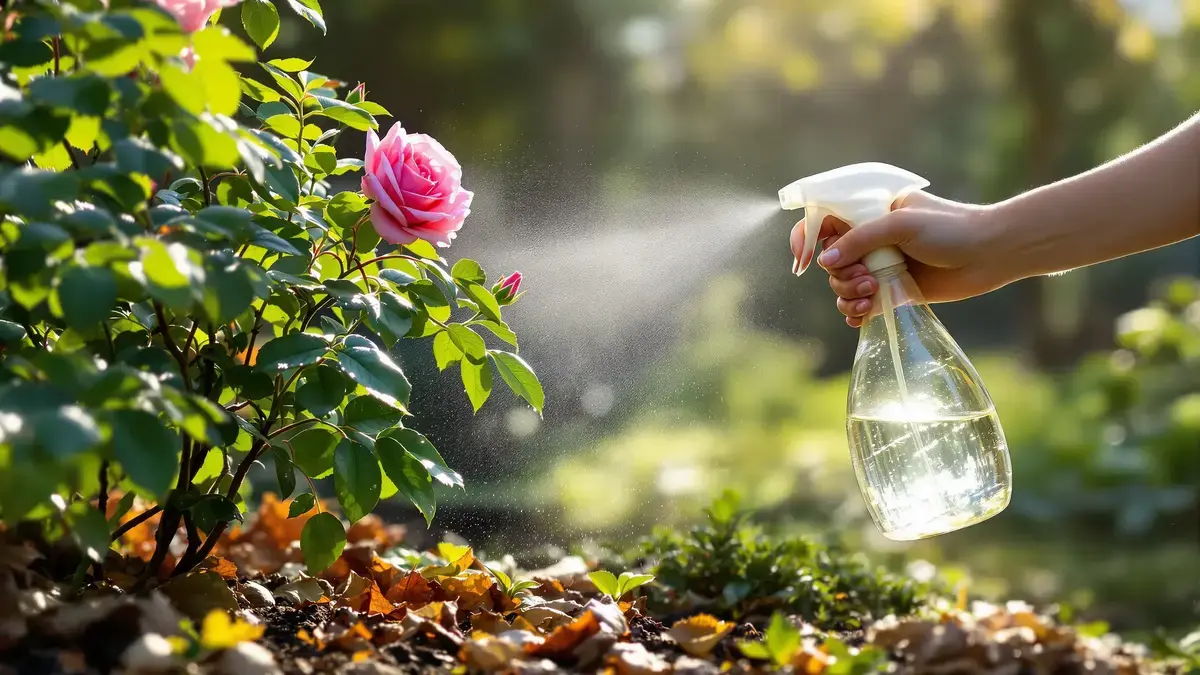
Some reach for strong chemicals, but there is a less intrusive route that begins as soon as the new season unfolds. At the first signs of swelling buds or tender shoots, a homemade spray made from commonplace ingredients quietly comes into play. A mixture of gentle soap and water—just a teaspoon of unscented liquid soap to a quart of lukewarm water—can be sprayed directly onto both sides of rose leaves.
This solution works not by killing the fungus outright, but by removing the thin film that lets spores settle. Each application, spaced about a week apart, helps wash away the subtle beginnings of disease before it can set roots. The scent is mild, the residue invisible once dry, making it suitable for daily garden routines.
Methods Rooted in Observation
Walking between rows, gardeners often notice that black spot favors leaves lowest to the ground, where air moves sluggishly and dew lingers. Careful pruning of these lower branches each spring creates space for sunlight and breezes—natural allies against lingering moisture.
Collecting and discarding last year’s fallen leaves proves equally important. Left undisturbed, they hold wintering spores that leap up with the first true spring rain. Simple, regular clearing reduces infection pressure, serving as an understated but consistent line of defense.
Small Shifts, Lasting Differences
A season’s rhythm returns: sun warms the air, rain dots the soil, and roses flush with new color. This natural routine, paired with early spring vigilance, sets the stage for healthy growth. Over time, roses adapt, and so do the hands that tend them. The combination of observation and small, practical interventions gently tips the balance.
Even as nature’s surprises become more common, the quiet rituals of caring for a garden offer moments of certainty. In the changing light, small actions—many nearly invisible—help roses stand resilient against what each new spring may bring.
