
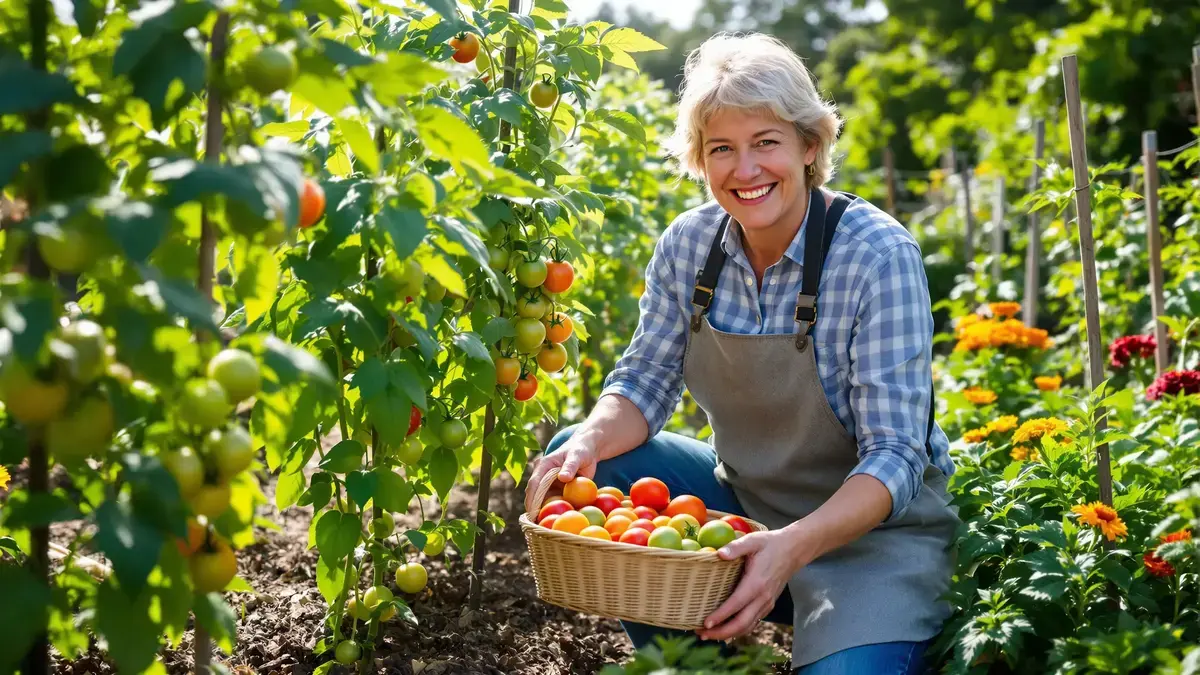

As summer arrives, many home gardeners look forward to vibrant tomato harvests—yet soaring temperatures and strong sun often threaten traditional crops. Selecting heat-resilient tomato varieties becomes crucial for both yield and taste. Contrary to common belief, three particular tomatoes—Cornue des Andes, Green Zebra, and Noire de Crimée—not only thrive in the summer sun, but also deliver a prolonged, flavorful bounty.
The Challenge of Summer Tomato Growing
Prolonged heat and intense sunlight can present serious obstacles for tomato cultivation. Many classic varieties wilt, bear fewer fruits, or suffer from sunburn and splitting when exposed to extremes. Gardeners often face the dilemma of balancing sun exposure with crop health, as drought conditions and fluctuating weather complicate consistent production. To overcome these hurdles, the choice of adapted varieties and smart gardening techniques is more important than ever.
Cornue des Andes: Resilience and Versatility
The Cornue des Andes stands out for its elongated, pepper-shaped fruit and robust nature. Native to South America, it’s recognized for thriving in high temperatures and dry spells—thanks to its dense foliage, which shields fruit from direct sunlight and reduces the risk of burning. Effective gardening methods for this variety include applying thick mulch to conserve soil moisture, regular yet moderate watering to prevent cracking, and selective pruning to enhance airflow without losing protective leaves. Cornue des Andes proves itself in the kitchen as well, lending firmer slices to salads, stuffing with fresh cheese and herbs, and enriching summery tarts or cold soups.
Green Zebra: Originality Meets Robustness
The Green Zebra brings a splash of visual intrigue with its green and yellow stripes and excels during hot, unpredictable summers. Reliable for its ability to set fruit early and continuously—even when irrigation is inconsistent—it appeals to gardeners facing unreliable rainfall. This variety prefers full sunlight, benefits from mulched beds, and performs best with regular root-level watering to reduce disease risk. The Green Zebra’s tangy profile shines in salads and fresh dishes, combining superbly with seafood, avocado, and citrusy accents.
Noire de Crimée: Productivity in All Conditions
With its distinctive dark hue and flattened shape, Noire de Crimée is prized for both its resilience and remarkable flavor. Originally from Ukraine, it withstands not just heat, but wind and occasional missed waterings, making it suitable for varied settings—from dense cities to open countryside. Large, sweet, meltingly soft fruits are the hallmark, while proper staking, rich compost, and evening watering during heatwaves support higher yields. Keeping humidity around the roots in check and pruning to maintain good air circulation are essential to reduce disease, ensuring reliable harvests through the summer.
Synergy in Mixed Planting
Growing Cornue des Andes, Green Zebra, and Noire de Crimée together brings unique advantages. Their similar requirements for sun and moisture streamline care, while differences in height and leaf structure improve airflow, limiting potential disease. This complementary planting also results in staggered ripening periods—so fresh tomatoes are available from July through September. Routine mulching locks in moisture and suppresses weeds, while watering in the morning or evening helps prevent stress. Gardeners are advised to use moderate compost and avoid excess fertilization for balanced, healthy plant growth.
Advanced Tips for Strong, Sustainable Harvests
Consistent attention—especially with watering, mulching, and monitoring foliage—ensures steady yields and minimizes the risk of pests and disease. Companion planting, such as interspersing basil or marigold, helps ward off common threats like aphids and whiteflies. Frequent inspection and timely removal of affected leaves support overall plant health. For those seeking variety, heirloom options like Rose de Berne or Pineapple Tomato add sweetness and visual appeal, while cherry tomatoes suit compact, urban spaces.
Conclusion
The strategic selection of heat-hardy tomato varieties, paired with careful cultivation practices, can transform summer gardening challenges into opportunities for abundant, high-quality harvests. By blending Cornue des Andes, Green Zebra, and Noire de Crimée, gardeners benefit from resilience, complementary growth, and a continuous supply of flavorful tomatoes, defying assumptions about the impact of full sun on summer crops.
