
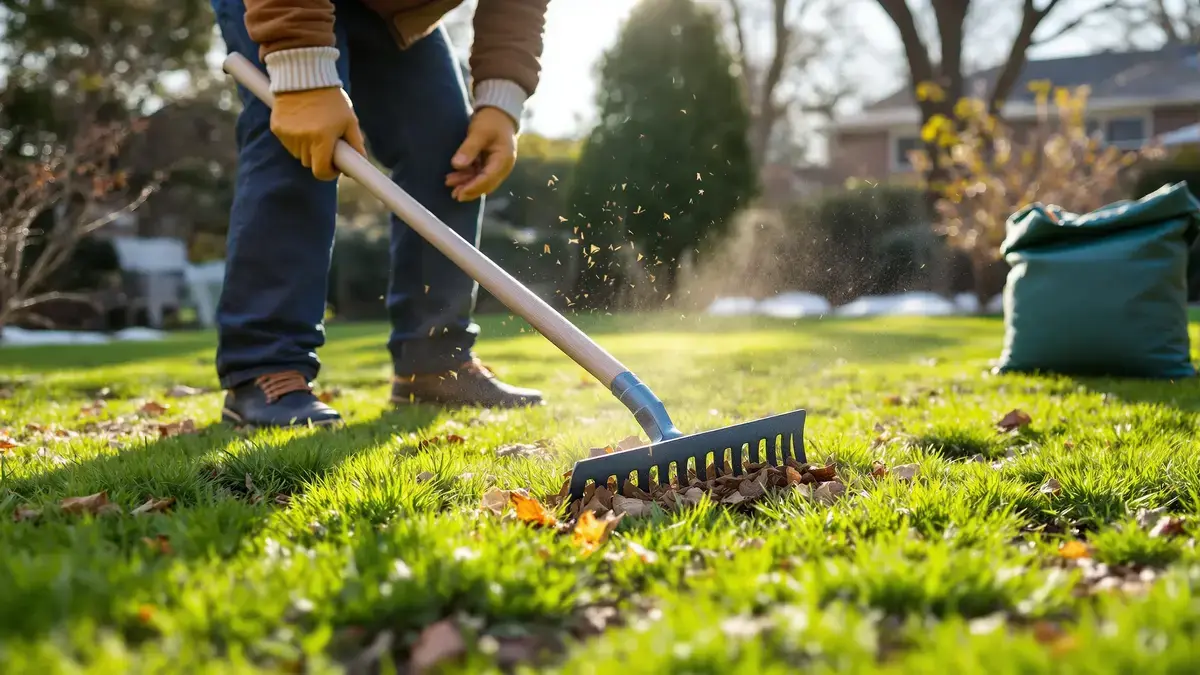

No-till lawn renovation has emerged as a simple yet highly effective alternative for revitalizing lawns ahead of spring. By avoiding traditional tilling, homeowners can enhance grass growth without disrupting the soil’s delicate ecosystem, leading to a greener, more resilient lawn with far less effort and environmental impact.
The Challenge of Traditional Tilling
Traditional lawn renovation has relied on tilling—turning over the soil to aerate it and eliminate weeds. While effective on some fronts, this method releases CO2 into the atmosphere, harms beneficial soil organisms, and disrupts the natural structure of the soil. Additionally, tilling can result in the loss of essential nutrients, ultimately making the ground less fertile over time. For those seeking environmentally conscious and less labor-intensive solutions, these drawbacks prompt a closer look at alternative approaches.
The No-Till Approach: How It Works
A no-till method preserves the living ecosystem just beneath the grass. Preparation begins with scarifying to remove moss and organic debris, then loosening only the surface of the soil using a claw tool to about 10 centimeters deep. Weeds are carefully removed, the area is leveled and raked, and a light watering ensures seeds adhere well to the moist earth. This gentle preparation supports biodiversity and avoids the need for heavy equipment.
Overseeding Techniques for a Lush Lawn
When overseeding an existing lawn, grass seeds are sown directly—ideally at 40 grams per square meter—using a spreader or by hand for even coverage. Dividing seeds into two batches allows for cross-seeding in opposite directions, which enhances uniform growth. Gently raking, rolling the area, and maintaining steady moisture helps establish strong roots. The result is a seamless integration of new grass into the established turf.
Choosing the Right Time and Method
Timing is critical. The most favorable seasons for no-till renovation are spring—particularly late March and April—or early autumn before the onset of cold. Mild temperatures and regular rainfall create optimal conditions for germination and healthy growth, minimizing risk to seedlings.
Three principal no-till methods have emerged:
- False Sowing: Loosen the soil lightly, allow the first flush of weeds to sprout, remove them, then sow grass seed covered with a thin compost layer.
- Direct Sowing on Living Soil: Start with a close crop of the existing grass, roll the soil, create shallow furrows for seed placement, and finish with a light compost covering and gentle watering.
- Mulching: Apply organic material—compost, shredded branches, straw, or wood chips—over the soil, sow seeds onto this mulch, and cover with compost. This technique improves drought resistance, suppresses weeds, retains moisture, and enriches the soil.
Environmental and Practical Advantages
By preserving soil structure and minimizing disturbance, the no-till approach reduces greenhouse gas emissions and maintains natural soil fertility. Homeowners benefit from markedly less labor, reduced costs, and no need for heavy machinery. Mulch types offer additional benefits: compost enriches, while wood chips and shredded branches protect against erosion and boost long-term fertility.
Step-by-Step for Sustainable Results
Success with no-till methods depends on a sequence of careful preparation, correct timing, and diligent moisture maintenance. The process resembles gently sowing new life onto a forest floor, with minimal disruption to the complex web beneath. Proper technique ensures the soil preserves its vitality and the new lawn establishes itself harmoniously on the old.
No-till lawn renovation offers a sustainable, effortless path to a dense, healthy lawn in spring. By following key preparation steps and choosing appropriate methods and timing, the process supports a living soil ecosystem, giving homeowners greener results with less environmental cost.
