
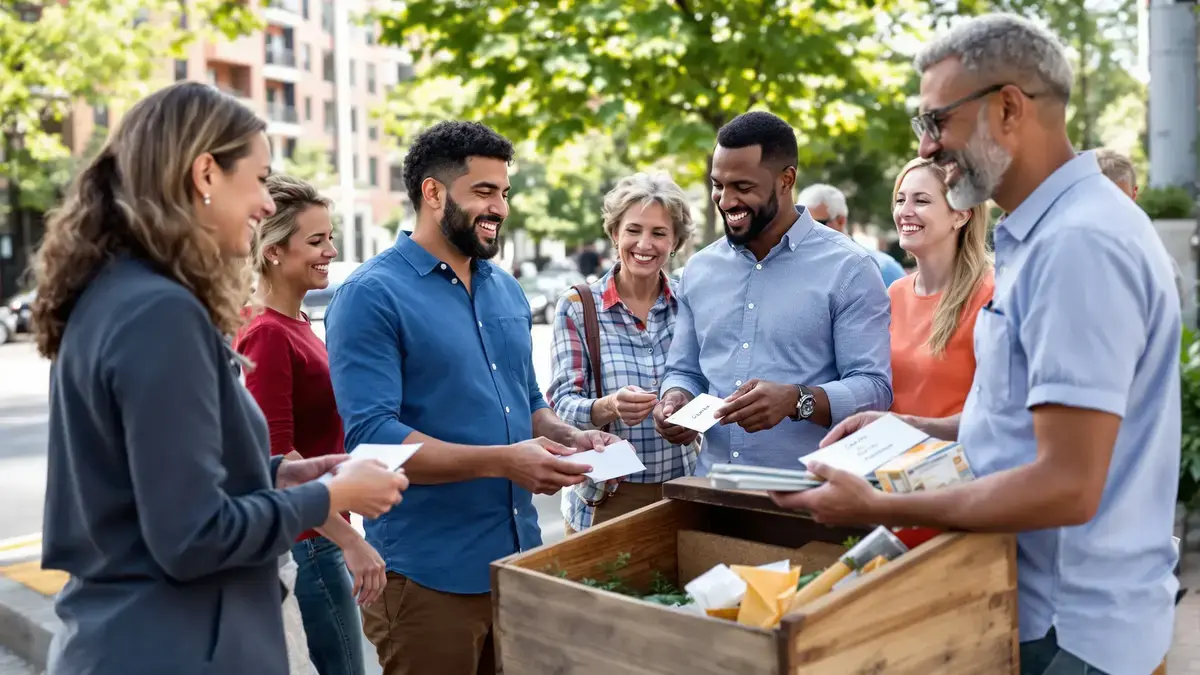

A simple seed box, once overlooked at street corners or building entrances, is emerging as a powerful catalyst for change, shaping both home gardening budgets and neighborhood connections. As plant prices rise and community bonds become more valuable, the humble seed library is quietly revolutionizing how people garden and interact, offering new opportunities for sharing, learning, and local resilience.
The Seed Box: More Than Just a Shared Resource
At first glance, a wooden box filled with envelopes of seeds might appear unremarkable. Yet, this unassuming object is evolving into a new kind of community hub—a space where sharing seeds mirrors the communal lending of books. Each envelope represents not just future plants, but the possibility of connection and the promise of a more resourceful neighborhood. Through the regular exchange of seeds, the box becomes a living symbol of cooperation and mutual support at a hyperlocal scale.
Micro-Networks at the Doorstep
Seed libraries foster a micro-network of gardeners, linked by close proximity and shared interest rather than commercial exchange. When a neighbor stops by to leave pumpkin seeds or collect marigold varieties, it sparks informal conversations and spontaneous advice, building social bonds often missing in urban environments. These interactions, driven by a gift economy, make gardening less about individual effort and more about collective experience and learning.
Economic and Environmental Resilience
One of the seed library’s most tangible impacts is budgetary: swapping seeds avoids the recurring costs of new plants or commercial packets. Locally collected seeds tend to perform better, having already adapted to the microclimate and soil conditions, which reduces the risk of disappointing harvests. This approach strengthens food security by reviving heirloom varieties and promoting biodiversity, attracting pollinators and making gardens more resilient to change.
Low Barriers, High Participation
Starting a seed box is remarkably accessible. All that’s needed is a recycled wooden container, some envelopes, pens for labeling, and a visible spot on a street or in a communal hallway. The only currency is participation—each user takes only what they can sow and is encouraged to return seeds after their harvest. Transparent labeling ensures the origin, variety, and year are clear, maintaining quality and trust within the network.
Governance and the Culture of Sharing
Neighbors are central to the seed box’s vitality. Self-organized groups supervise exchanges, replenish stocks, and coordinate seed-saving workshops. Clear rules discourage treated or hybrid seeds and emphasize exchanging only open-pollinated varieties. As the box thrives through spontaneous contributions and ongoing involvement, it becomes a kind of social infrastructure—alive only as long as the community keeps it active.
Transforming Habits and Neighborhood Culture
Although a single box may begin as a modest experiment, its ripple effect can be profound. The act of sharing seeds is both practical and symbolic, turning the seed into a form of social currency and the box into a site of investment in collective well-being. This shift from individual consumption to community stewardship subtly reframes the neighborhood, empowering residents to take small yet significant action for themselves and the environment.
As urban life seeks new anchors for community and sustainability, the humble seed box demonstrates that even minor grassroots initiatives can drive meaningful transformation—rooted in generosity, knowledge-sharing, and a vision of abundance without monetary exchange.
