
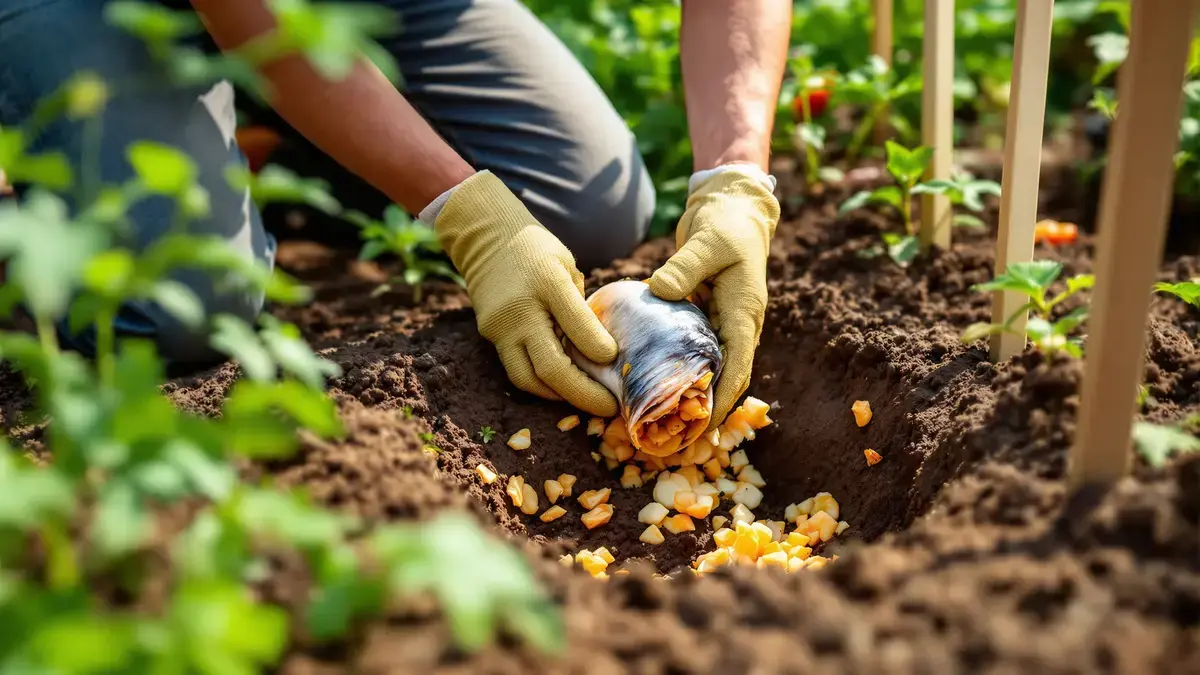

As gardeners look to boost their tomato harvests, a method rooted in tradition is making a comeback: enriching soil months in advance by burying natural ingredients deep beneath tomato plants. This proactive approach creates a slow-release nutrient reservoir, matching the plant’s nutritional needs throughout its growth cycle and minimizing common problems such as poor yields or blossom-end rot.
Understanding Tomato Nutrient Demands and the Common Pitfall
Tomato plants thrive when provided with a balanced set of nutrients at key stages of growth. Nitrogen supports lush foliage, phosphorus strengthens roots and boosts flowering, potassium improves fruit quality, and calcium keeps plant tissues healthy, preventing issues like blossom-end rot. While many turn to synthetic, water-soluble fertilizers, these are often inefficient; rainfall and irrigation can wash essential nutrients out of the soil long before tomato roots can absorb them. This over-reliance on quick-release fertilizers frequently results in weak plants and uneven fruit.
The Case for Buried Organics: Lessons from the Past
Historic gardening practices offer a practical solution. Burying a fish—or just the head—under prospective tomato plants provides a rich, natural supply of key nutrients. As the fish decomposes, it steadily releases nitrogen, phosphorus, potassium, calcium, and trace minerals. This gradual nutrient delivery aligns with the tomato’s uptake, helping to avoid root burn and supporting robust growth right through harvest.
Building a Nutrient Base for the Season Ahead
Effective soil preparation starts well before spring. The process involves digging a hole about 30 centimeters deep and 25–30 centimeters wide for each future plant. At the base, place a fish head or whole small fish (about 50–80g), a handful of crushed eggshells for calcium, and a few banana peels (the latter are rich in potassium). Cover the mixture with 10–15 centimeters of soil, leaving at least 5–10 centimeters between the organics and the future root zone, which prevents root damage from active decomposition. For best decomposition, this should be done in winter, giving three to four months for transformation before planting tomatoes.
Practical Guidance and Safety Considerations
This method, applicable both in-ground and in containers, requires attention to depth and spacing. All organic materials must be buried deep enough to prevent attracting animals and avoid generating unpleasant odors—at least 20 centimeters in open soil or 10 centimeters in large pots. Using more than one fish per plant is discouraged to maintain a healthy soil balance, and all synthetic fertilizers should be avoided during this process to prevent plant stress. Once planted, tomato beds benefit from deep, infrequent watering and a 5–8 centimeter mulch layer to maintain moisture and moderate soil temperature. Secure staking is recommended to support vigorous plants as they develop heavy fruit clusters.
Results and Broader Implications
Gardeners report measurable improvements using this method: plants exhibit thicker stems, richer foliage, more regular and abundant flowering, and fruits of consistently good shape and taste. The risk of blossom-end rot, tied to calcium deficiency, drops significantly, and harvests often reach 5–7 kilograms of tomatoes per plant—even in compact urban gardens. The buried nutrients stimulate soil biology, syncing nutrient availability with plant demand and reducing the unpredictability common with conventional fertilizing approaches.
Synchronizing Soil and Plant Growth
This strategy offers a clear analogy: stocking a pantry at the roots months ahead. As decomposition progresses underground, nutrients are unlocked gradually, matching precisely when tomato plants need them most. This time-release effect supports healthy, resilient plants without the peaks and troughs of synthetic fertilizer regimes. Suitable for diverse climates—ranging from dry tropics to temperate regions—the method respects natural cycles and reinforces the connection between soil health and abundant yields.
By burying fish, eggshells, and banana peels beneath the planting site in advance, gardeners create an organic, balanced, and sustained nourishment source for tomatoes. This traditional approach not only addresses key nutritional needs but also fosters resilience and productivity, underscoring the value of foresight and soil biology in backyard gardening.
