
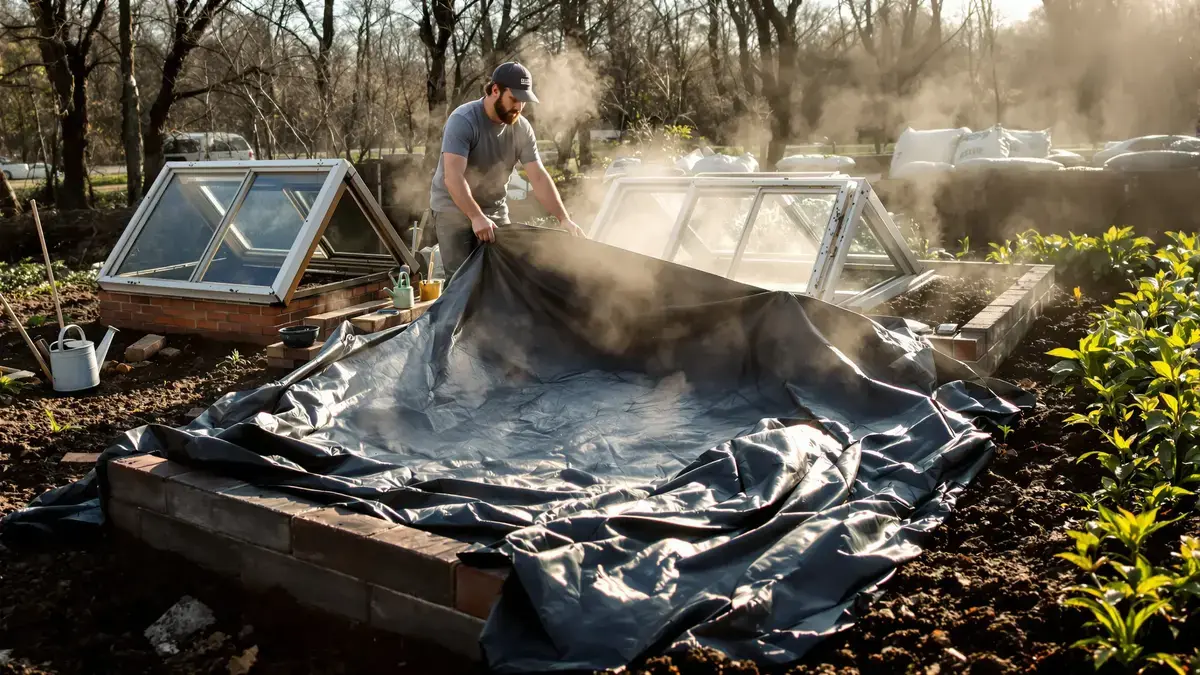

In early spring, the outcome of a kitchen garden is often decided beneath the surface. Experts confirm that overlooking a simple technique—warming the soil—can lead to a delay of up to three weeks in harvesting fresh produce. This frequently neglected method makes a crucial difference in kickstarting crops and shaping the entire gardening season before it even begins.
Why Soil Temperature Makes the Difference
When planning for an early harvest, many gardeners focus on seed variety or weather patterns. Yet, the critical factor is the soil temperature. Seeds and roots struggle when soil remains below 10°C, leading to poor germination and delayed plant development. A modest increase of 3 to 5°C at the soil surface can transform the crop timeline, setting the stage for accelerated growth and an earlier yield.
The Proven Protocol for Warming the Soil
Professional growers utilize a straightforward method to capture these extra degrees. First, they prepare, drain, and aerate their soil to ensure structure and moisture control. The next key step: covering the garden bed with a material that absorbs and retains heat, such as a black tarp. By positioning this cover for 15 to 20 days before planting, the soil acts as a “heat battery”, storing valuable solar energy.
The results are dramatic—market gardeners have shown that using these protocols consistently yields harvests up to three weeks ahead of schedule, regardless of local climate or seed type. Beans, for example, may fail to sprout at 12°C but thrive at 16°C, demonstrating how pivotal these few extra degrees can be.
Tactics for Retaining and Extending Heat Gains
Upon removing the cover just before sowing, immediate planting capitalizes on the trapped warmth. Small tunnels or cold frames, even fashioned from recycled window panes set on bricks, maintain a warmer environment for young plants and can add another 3 to 4°C. For crops like radishes, lettuce, peas, and early potatoes, these steps secure a significant head start.
Dark mineral mulches, such as slate or crushed brick, add another layer of heat storage — absorbing warmth by day and releasing it after sunset. To maximize effectiveness, ensure the soil is only coarsely weeded and lightly moistened before covering, as overly compacted soil prevents the infiltration of heat and water.
The Role of Living Covers and Soil Structure
Advancing the season is not just about adding heat, but also about maintaining healthy soil structure. Cover crops such as oats or rye, selected for their root systems, help create vertical channels in the top 20 centimeters of earth. This supports rapid water drainage and avoids the cold, waterlogged soil that stalls growth. As spring approaches, these living covers are chosen based on timing: oats or rye earlier in the year, and sorghum or millet when later sowings are planned.
It is essential, however, to avoid working the soil to a fine, compacted texture. Good soil should remain airy and well-drained, ensuring microbial life can flourish and further accelerate nutrient cycling for the benefit of emerging crops.
The Risks of Neglecting Soil Warming
Gardeners who ignore the opportunity to pre-warm their soil risk falling behind. Excess moisture acts as a barrier to heat, so ventilating cold frames during sunny spells and closely monitoring water levels is crucial. Immediate sowing after removing tarps or covers is necessary to harness every degree gained.
The combined effect of these practices is clear: by treating the soil as a dynamic, living environment and optimizing its temperature at the right moment, gardeners can regularly secure earlier harvests and make the most of the growing season.
As the evidence shows, ignoring soil warming techniques in the early kitchen garden can cost valuable time and harvest potential. Implementing this scientifically grounded approach lets even small-scale growers align with professional methods, gaining critical weeks in spring and ensuring a more abundant outcome.
