
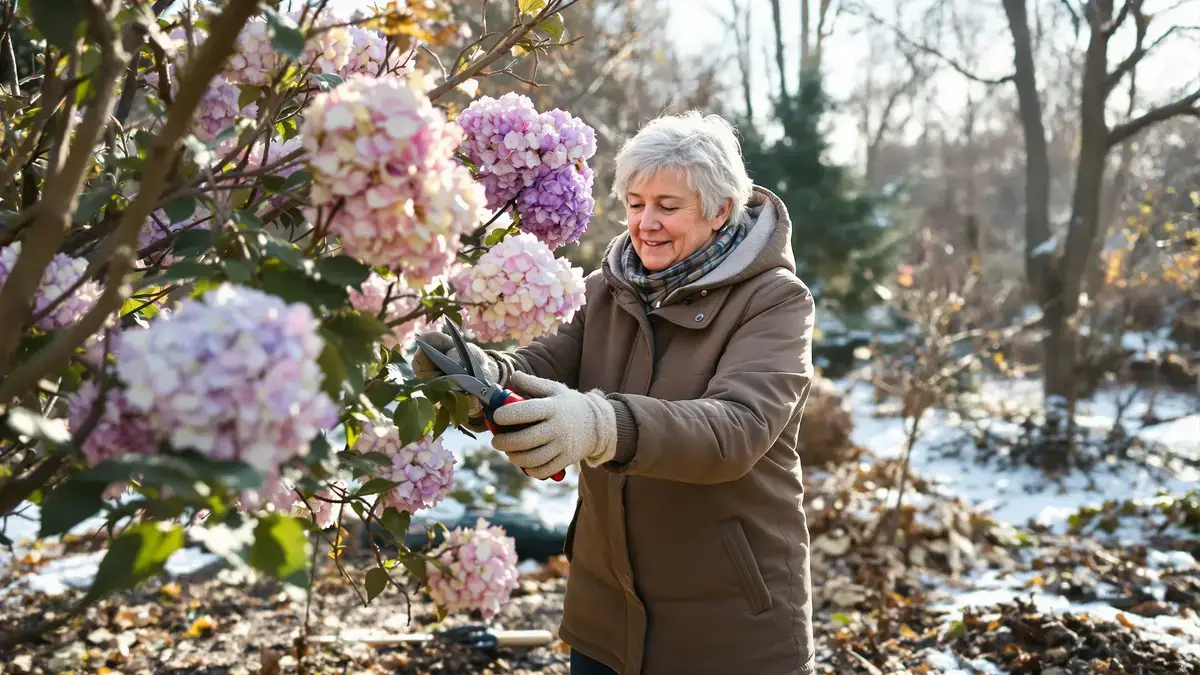

In the hush of late winter, garden beds rest beneath a bright but cold sky. Snow has melted or perhaps never came, leaving behind soil crumbly and bare. Hydrangeas stand like sentinels, their limbs pale and crowned with last summer’s faded blossoms. There is a slowness to these weeks, a pause that hides an urgent secret, one that determines whether the coming months will burst with color—or pass by in muted disappointment.
Old Blooms and Quiet Stems
Under the weak sunlight of February, hydrangeas barely stir. Their branches hold onto remnants of last season—a brittle, sepia haze where blue and pink once flourished. It's easy to walk by and see nothing urgent. But beneath the stillness, change looms close. Each bud along the stem, though small, carries the promise of lush domes of flowers if only given a chance.
Left untended, these plants forget their rhythm. Year after year, many gardeners wait for color that never truly comes. The cause, more often than not, is a missed moment of care—something simple, overlooked amid the lingering sleep of winter.
The Right Cut at the Right Time
Pruning in February works like a quiet reset. Before sap climbs and buds unfurl, hydrangeas stand at the perfect crossroad. This is when a careful hand matters most. Snipping off the old flower heads, just above the first set of swelling buds, directs life into new shoots instead of ghosts of blossoms past.
A sharp cut in the cool air channels energy to where it counts. The shrubs, shaken out of dormancy bit by bit, respond in kind. Their structure clears, light slips into the tangled heart of each bush, and what once seemed fragile readies itself for another season of abundance.
Recognizing What’s Alive
Not every stem deserves a second chance. Some, faded gray and brittle, crumble between the fingers. A quick scratch below the bark reveals either jade-green life or the dry certainty of loss. These dead branches, left alone, do nothing but crowd and weaken the whole—cutting them away is an act of gentle honesty.
With clean, disinfected tools, removing what’s done makes way for what is possible. The air moves more freely, sunlight finds every leaf, and disease stands less chance of spreading. The whole shrub seems lighter, poised for summer’s surge.
Resilience Born in Winter
Hydrangeas have traveled continents and centuries to find their place in the garden. Their adaptability, the way their blooms shift color with the soil, makes them quietly remarkable. Even as they symbolize something timeless—a patient romance with each passing year—they demand this annual moment of precision.
A February without pruning closes doors. Branches spend energy on what cannot return, and flowers come fewer, lesser, if they come at all. The garden, missing this ritual, loses some of its quiet grandeur.
The Unseen Work Behind Blooms
It’s an old story. Neighbors pass and wonder why some hydrangeas burn with color through the high heat of summer, while others never seem to thrive. The truth is rarely in fertilizer or luck. It begins with a single, disciplined act in the cool pause between seasons—a hand that, briefly, interrupts winter’s rest so the months ahead may shine.
A yard full of hydrangeas, heavy with bloom, owes much to careful eyes and sharp shears in February, more than most would guess.
A little attention at the right time shifts everything. It does not matter if the winter was harsh or the soil poor. What counts is a clear path for new growth—an old secret among gardeners, still quietly powerful.
