
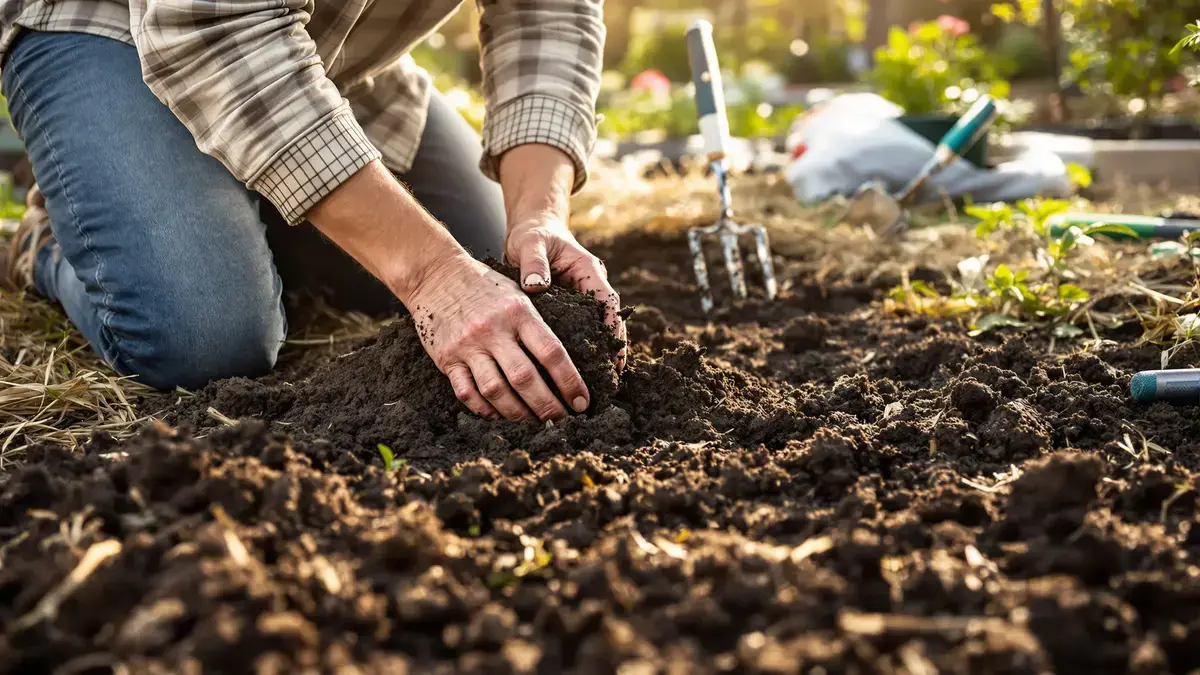

Morning light drapes across a quiet backyard, revealing beds of turned earth scattered with the last wisps of winter grass. In the gentle hush, a simple gesture—hands loosening soil, folding in crumbly compost—holds the promise of weeks ahead, red-ripe and sun-warm. It’s a familiar ritual for many: before the first tomato seedling settles in, the ground must be tended. Yet few know how this yearly act beneath your feet sets the mood for everything that follows.
A Patch of Ground and a Season’s Beginning
It starts not with the plants, but with the dirt itself—cold, damp, and still marked by last year’s story. Old stems, memories of leaves, and patches of stubborn weeds linger. Clearing these remnants isn’t just about tidiness. With each handful hauled away, hidden pests and disease spores are sent packing, giving new roots better odds.
On a brisk spring afternoon, the spade pauses. Deep digging is tempting, but reckless movements would shatter the unseen network of microbes threading the soil. Instead, the work is careful, methodical—a fork’s tines slip gently down, lifting clumps while preserving fragile life below. Clods break apart in the hand, sifting into a loose, even surface. Nothing fancy, just a few inches of air and space at the roots’ future home.
Feeding the Soil, Feeding the Fruit
The scent of compost, dark and sweet, rises as it’s spread and mixed. More than just old food and leaves, it’s slow-release fuel that draws in moisture and pumps life into each grain. Each square meter gets its generous serving. Alongside it, bags of well-rotted manure—never fresh—are folded in, giving the earth a hearty meal some weeks in advance. It’s patience, not haste, that keeps young roots safe and lets nutrients settle where they’re needed.
A pocketful of crushed eggshells, or a scoop of lime, is sprinkled in if the soil runs sour. Calcium isn’t optional here. Without it, the fruit could rot from inside out long before ripening, robbing months of labor in a single week of blight.
Balance in the Blend
Tomato plants are greedy, yet picky. They demand a steady diet but punish excess. Nitrogen, phosphorus, potassium—each plays a part. A little nettle tea in the watering can, timed just so, encourages leaves to reach for the sky. Later on, comfrey tea or a scant handful of wood ash lends a surge of potassium, coaxing plants to put their energy where it counts: blossoms, then fruit. Go too heavy with nitrogen, though, and the reward is all leaf, scant fruit—an empty boast.
Letting Water Flow and Holding Life Close
Heavy clay soils threaten to hold too much water, drowning roots and stirring up fungal dramas. So gardeners improvise: a layer of coarse sand or gritty rock, lifted beds, rows slightly raised. Soon, the earth drains like a well-wrung sponge, not a stagnant basin. Over everything, mulch is scattered—dry straw, wood chips, even spent leaves—shielding moisture from midday sun while keeping drips and dew right where roots can find them.
No fresh green waste is buried; the risk of rot and soggy patches is too high. The goal is balance, an environment that’s steady and quietly alive.
Patterns That Repeat, but Never Stand Still
One year’s tomatoes never follow the last’s. Rotation is more than a habit—it’s survival. Tomatoes after legumes, never after potatoes or other nightshades. Each time, soil is spared depletion and spared wave after wave of familiar disease. Here and there, basil or marigold is tucked in, their presence a gentle reminder: friends ward off trouble better than walls alone.
Every patch of ground gets its turn, its rest, and its rejuvenation—a rhythm older than any single season.
The Quiet Work That Shows in Summer
By the time seedlings press up from their pots and the air hums with heat, the work below has already set the stage. Tomatoes stretch upward, leaves lush but not lax, flowers crowding the stems. The harvest, when it comes, feels effortless—a handful here, another there. Strong plants, full trusses, hardly a blemish or bad fruit among them.
The real secret sits in that rush before planting: an hour, maybe two, devoted to the silent community beneath the surface. Each basket of ripe fruit is rooted in the memory of that care, a reward that returns season after season.
