
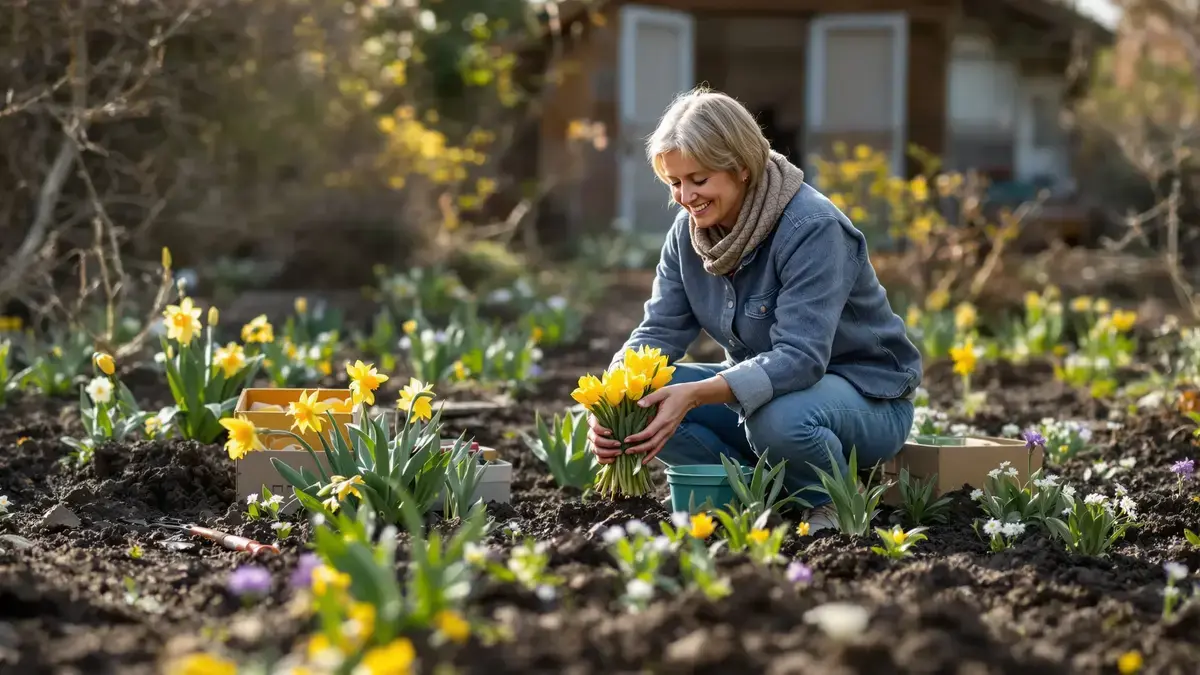

The light is shifting, pale but promising. Near the back gate, the last frost has melted away, revealing earth that still feels cold to the touch yet full of possibility. Most gardens, at this moment, could pass for abandoned fields—pots askew, nothing but bare soil in the beds. But there is a quiet anticipation, as if the plot is waiting for something to begin. This is the season when choices made now, often overlooked, can utterly reshape the weeks ahead, turning a blank patch into something memorable, something remarkably alive.
Morning Reveal
Pulling open the window, a slight chill rolls in. The silence of winter still lingers in the corners, but underfoot, life is returning. The garden appears stripped down, each trace of green more visible, every fragment of old mulch and faded foliage a sign of what once was. For those who notice, this emptiness is not an end but an invitation.
In the shaded beds, nothing moves. But in full sun, where cold light meets damp earth, the urge to plant becomes unmistakable—a chance to paint fast, bold color onto a field of gray.
The Palette Arrives
Boxes of bulbs, sometimes half-forgotten, reappear in sheds and garages. Tulip and daffodil bulbs feel almost weightless in the hand, strange in their promise. Pressed into soft, well-drained soil, they disappear quickly. Weeks later, as spring deepens, they erupt into color—urgent and unmissable—from small, tight buds to open-mouthed blooms.
Next to them, hyacinth and crocus send up rows of bright spikes. Muscari slips through the gaps, creating stripes and clusters of blue. The effect is immediate—a transformation from lifeless to vivid in a matter of days. Ground covers like forget-me-not, sometimes dismissed as too ordinary, thread under the taller stems, making carpets that shift gently in the morning breeze.
The Long Game of Perennials
Beneath the dramatic bursts of bulbs, something quieter happens. Primroses begin unnoticed at the edge of the path, their flowers small but persistent through cold spells. Lily of the valley follows, scenting April mornings even before other plants dare.
Further in, the dense green of peony and iris emerges. Their flowers, when they open, are almost too large for their stems. Lupin and phlox rise, stretching the garden’s structure upwards, so that for a brief moment, everything looks effortless. These perennials do more than bloom. They anchor the garden, year after year, threading each season together.
Color for Every Corner
The shaded end of the border—often forgotten—finds new life with hellebores and snowdrops. These, and the pale pink of bleeding heart, seem to catch what little light is left, reflecting it back against the dark soil. Even on days when the sky sits low and gray, there are flowers here.
Meanwhile, annuals have their part to play. Pansies and violas bring quick color wherever there is a gap, while calendula fills out the edges, drawing in bees. Sweet pea climbs without fuss along a spare trellis, scenting the air by the back steps.
Design and Serendipity
There is method in these groupings, but also trial and happy accident. In sun-washed spaces, tulip and daffodil form the backbone, tall and insistent in rows behind lower clouds of forget-me-not and daisy. Anemone and ranunculus rise up, adding a gentle chaos of color and height. Calendula patches stitch the display together, never quite regular.
In shade, the effect is more subdued—a woodland scene assembled from hellebores, primrose, and the nodding white of lily of the valley. Each flower blooms in sequence, almost as if they were taking turns under the shelter of old trees.
Containers and small terraces get their own treatment. Geranium, pansy, and a compact hydrangea fill limited spaces, promising flashes of color whether glimpsed from the kitchen or when passing by the front gate.
Roots of Continuity
Experienced gardeners know these displays are not always purchased. Cuttings, prepared months before, are pressed into pots late in winter, making sure there will be enough plants to fill the garden by spring. This quiet effort beneath cold glass or kitchen windows is easy to overlook but underpins the riot of bloom that appears once the weather shifts for good.
Evolving Canvas
Gardening in spring is never about a single moment or planting. It is watching the living colors grow into one another, old favorites mixing with flashy newcomers and the wildness of annuals bringing change with every year. The result is something closer to a painting than a plan—each day, a little different, each week showing something new.
The blankness of early spring passes quickly. Where there was only soil, there is now structure and flare, movement and shade. These 25 choices, planted in the short window when chill still sits in the air, carry the garden forward, making sure the season ahead will be marked by color, scent, and memory, long after the last bulb has faded.
