
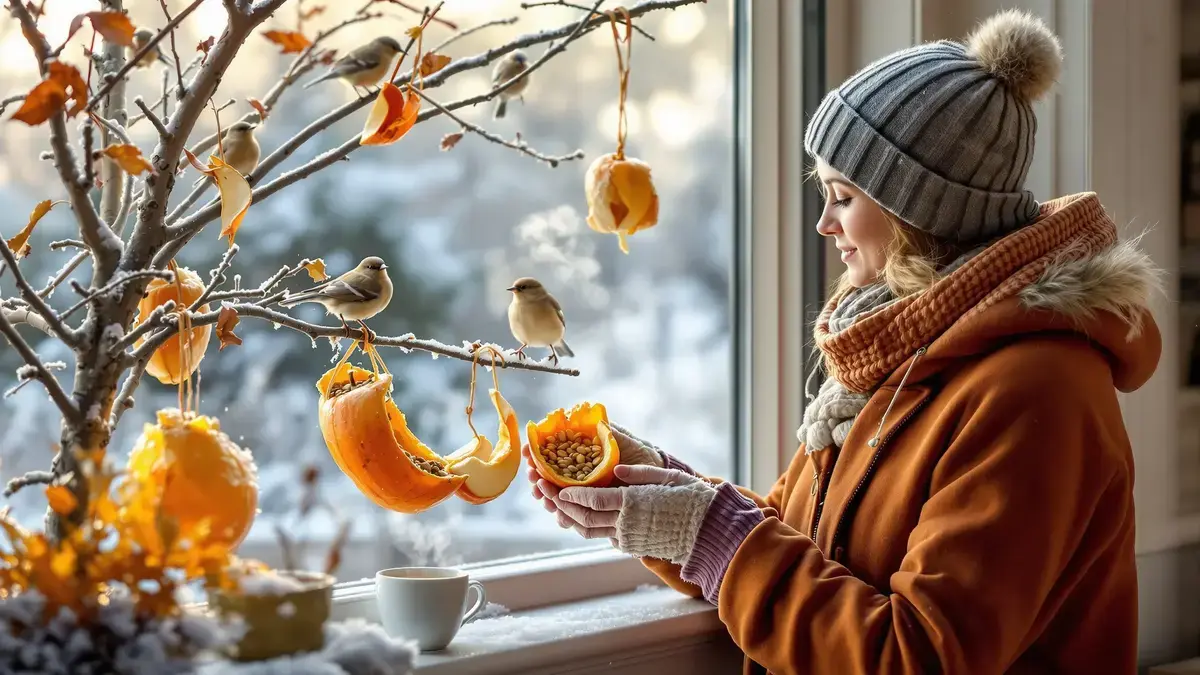

A gentle layer of frost settles on the bare garden, and steam from a cup of tea lingers near the window. Somewhere outside, a small bird pecks at the hard soil, searching in vain for something edible. As days grow shorter and evenings fall a bit earlier, the simple act of preparing breakfast can suddenly take on unexpected importance—for both people and the watchful visitors fluttering nearby. That half-forgotten apple on the counter, or a soft pumpkin left from autumn, might hold more value than first appears.
Unseen Helpers Waiting on the Kitchen Counter
In many homes, routine chores leave behind a quiet pile of kitchen scraps. The wrinkled apple, empty squash shell, or leftover corn cob may look like just more waste to toss. Yet, behind the glass, wild birds keep watch, their energy reserves draining under the chill. During winter, their need for food grows urgent as natural options like berries and insects fade away.
Household organic waste makes up a substantial part of the annual rubbish mountain. Instead of discarding it, these leftovers can become a direct line of support for birds. With only a small effort, scraps that once filled a garbage bag are transformed into feeders, inviting new life into quiet gardens and balconies.
Why Extra Calories Matter When Temperatures Drop
On a freezing morning, birds work tirelessly just to keep themselves warm. Their bodies must hover around 40°C no matter how low the outside temperature sinks. Foraging for even a single seed becomes a test as ground turns hard and daylight slips away all too soon. Each bit of nourishment they find is precious—and so are the humble offerings from our kitchens.
Providing energy-rich food helps these little visitors endure. Placing the right kitchen leftovers outside mimics the lost abundance of summer meadows and hedges, now quiet and bare. Damaged fruit or a scoop of dry oats can become as vital to birds as a summer grove once was.
Turning Waste Into Feeder—How Simplicity Works
You don’t need complicated tools. Just a knife, some string, and a bit of unsalted peanut butter or plant-based margarine. Slice a pumpkin or squash, scoop it out, fill with seeds, and hang by your window. Apples can be cored and strung up easily. Even an empty orange peel, when cleaned and filled, offers a useful bowl for wild birds.
Each leftover—whether an ice cream cone, nut shell, or corn cob—can become an inviting stopover. The scent of nut butter draws them closer, while dry seeds supply sustaining energy. Garlands of berries, threaded in gentle loops, add color and nutrition at once.
What Birds Find Safe—And What to Avoid
Like us, birds are sensitive to what they eat. Certain foods common in winter recipes are dangerous for their small bodies. Bread, salty snacks, sweet biscuits, milk, and spiced or garlic-rich foods should always stay indoors. Roasting fat from meats also causes problems, making feathers sticky and fragile.
Focusing on natural, unsalted, and plant-based options keeps things safe. Small portions—changed daily—reduce mess and potential spoilage. As birds visit more often, these feeders become a place of trust, linking household habits directly to the garden ecosystem.
Location and Cleanliness—Shelter Matters
Where feeders sit changes everything. The best spots are those a little out-of-the-way—sheltered from wind, rain, and especially from cats or sudden surprises. Stair railings, tree branches, or balcony corners work well. Avoiding large windows lessens the risk of bird collisions. And once a feeder is empty, taking down string or wire ensures no trace is left behind.
A gentle cleaning with an unscented product keeps feeding areas free from risks of illness. Composting any spoiled, uneaten leftovers closes the circle, letting useful matter return to the earth instead of the landfill.
Something More Than Feeding
Through this simple process, the ordinary becomes quietly meaningful. A pumpkin quarter, once destined for the bin, now swings gently in a tree, visited each day by robins or finches. Scraps turn into a living demonstration of resourcefulness, supporting ecology at home with zero plastic and zero waste.
This approach connects small daily acts—like saving a fruit peel or tying a length of string—with the changing rhythms of the natural world just beyond the windowpane. Birds adapt quickly, returning to new feeding sites, and in doing so, highlight our own power to reshape the season in thoughtful, visible ways.
In winter, with its quiet streets and slowed routines, these feeders achieve more than just feeding. They reflect a practical partnership—one where every leftover has the potential to nurture new life, and every simple gesture carries a little warmth across the coldest days.
