
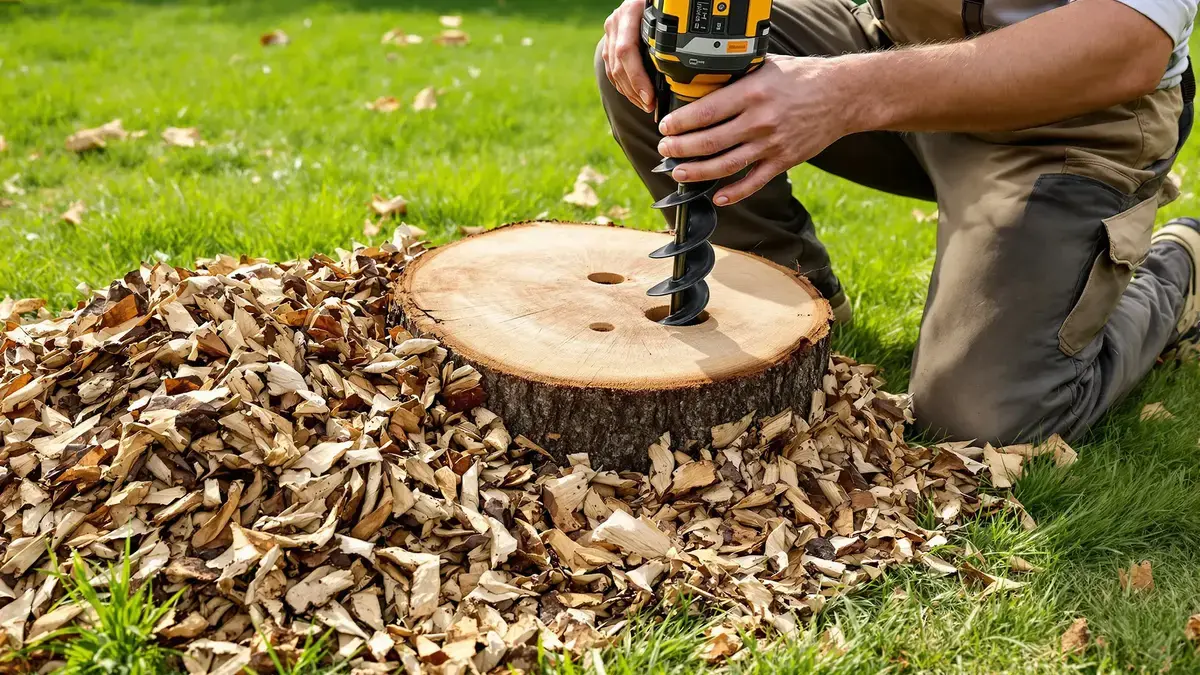

A tree stump left behind in a patch of grass is a familiar sight, stubborn as a forgotten stone. Its surface dries under changing skies, season after season, resisting the mower and catching an occasional shoe. Yet this overlooked remnant, stuck low to the ground, holds a quiet challenge at the heart of many gardens: how to make it disappear, naturally and with little effort, without draining time or savings.
A Different Path to Getting Rid of Stumps
Stump removal often conjures images of noisy machines or hard digging. Both involve cost and exertion. Chemical options exist, but few are eager to introduce harsh substances into a garden’s soil. This leads homeowners to seek gentler solutions that fit the slow pace of nature.
Here, mulch offers a surprising alternative. Instead of scrubbing the stump away, this method asks for patience—and a little understanding of how decay works beneath the surface.
The Role of Mulch: Creating a Microclimate
The core idea is simple: transform the old stump into the center of a fresh, humid world packed with organic matter. By layering wood chips, straw, or shredded leaves thickly over the stump, gardeners create not just a cover, but a true thermal blanket.
Under this layer, heat lingers. Moisture stays trapped, escaping less often to the air. Fungi, mostly invisible, find these conditions ideal for settling in. Their mycelium threads work deep into the wood, breaking down what once seemed so tough.
If left exposed, a stump can take decades to soften—the dry warmth of sun and wind halting natural decay. With mulch and moisture, this timeline shortens dramatically, sometimes letting even large stumps surrender within a few years.
Key Preparations for Faster Rot
Starting right matters more than many realize. The stump’s top should first be trimmed level with the soil. Excess roots and small shoots get removed, clearing the way. This clean, flat stump exposes more wood to the wet darkness below the mulch.
An often skipped but vital step: making vertical holes across the stump’s face—roughly an inch wide, as deep as your forearm. These are more than random punctures; they act as tunnels for water, compost, and fungi to enter. This exposure invites rot from the inside, not just at the edges.
Soil or compost coats both the stump and roots. Then comes the critical mass—a layer of mulch 6-12 inches thick, packed down to exclude gaps. A tarp or upturned bucket seals in the warmth and moisture further. Adding a layer of fallen leaves can help fungi gain an early foothold, speeding their spread.
Letting Nature Take Its Course—With Support
Once the system is set, intervention is minimal. The mulch dome should stay damp, never thin, and only untreated organic materials belong in this pile. Chemical-laden wood will harm the very fungi that do the work. Every few months, a simple check is enough: if the mass stays springy and moist, the process remains on track.
This method is not a shortcut for those in a hurry. It relies on time and the steady work of ecological processes. One to three years is typical—a test of patience, but far from the decades required by bare exposure. In the meantime, the area blends into the garden, unnoticed but steadily changing beneath its organic cover.
Advantages and Limitations, Seen Close
For those seeking minimal effort and maximum natural return, this method holds clear appeal. The cost is low, tools are basic, and the result transforms solid wood into something soft, crumbly, and fertile. In the end, the stubborn stump becomes part of the soil’s cycle.
Yet, not every space is suitable. Sites planned for urgent reuse or close to building foundations may demand alternatives. If time is available and the spot safe, however, this mulch-based approach quietly does its work, guided not by force or chemicals, but by the everyday partnership of moisture, warmth, and tiny living recyclers.
While many see only the obstacle above ground, the real change begins just below the mulch—out of sight but well within reach for those willing to wait.
