
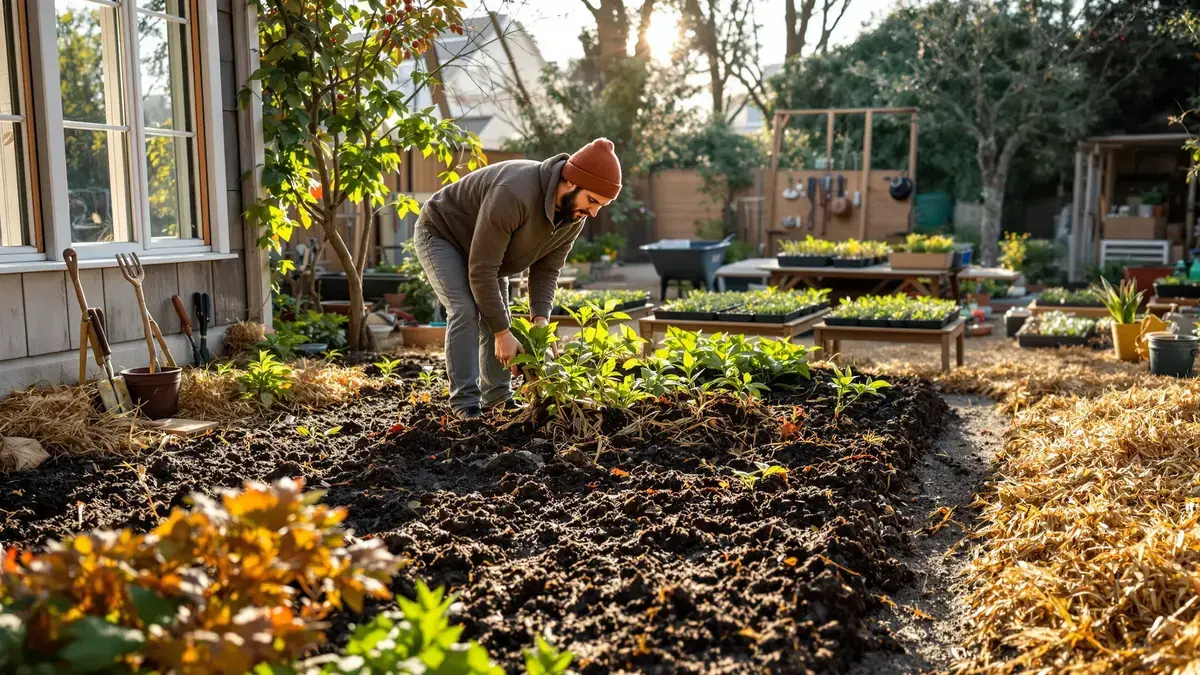

A crisp wind still sweeps the yard, but below the frost, the garden quietly stirs. Paths between bare beds feel empty, yet something is happening beneath the surface. February may seem early for action, but now is when decisions shape the season’s bounty. What small preparations make the difference between a timid spring and a robust, thriving vegetable patch?
Start with the Soil: Where Growth Begins
In February, the soil hints at waking. Clearing away winter's debris—fallen leaves, old stems, stray weeds—reveals dark earth below. Manual weeding now, while the ground is still soft, can prevent weeds from taking over later.
Aerating the soil helps, but using tools that don't turn it upside down matters. A broadfork lifts and loosens without disturbing earthworms. Adding mature compost or well-rotted manure feeds the micro-life in the ground. The difference is visible—richer earth, crumbly to the touch, ready for seeds.
A thin cover of straw or dry leaves acts as a temporary mulch. This prevents heavy rain from compacting the surface, keeping the ground breathing until planting.
Sowing Early: Indoors and Under Cover
While cold air lingers, activity moves indoors. Windowsills fill with trays and pots. Light mixes with warmth as seeds of tomato, pepper, and eggplant press upward in well-drained starter mix. For these, starting now gives a clear head start.
Outside, cold frames and plastic tunnels shelter young lettuce and cabbage. Parsley, basil, and chives respond well to a sunny spot inside. Attention to moisture and temperature keeps these hopeful shoots healthy. It’s a small effort at first, yet it advances spring’s arrival on your plate.
February Bulb Planting: Roots of Future Meals
Planting in February is less about flowers and more about food. Garlic, shallot, and onion go into damp soil before it warms. Spacing matters—garlic needs about 10-15 centimeters between cloves, while shallots prefer even more room.
Good drainage is essential. Wet, heavy ground brings disease, so raised beds or sandy patches become valuable. Spring onions, planted now, offer quick green harvests as soon as the chill fades.
Pruning for Fruit: Decisions That Last Seasons
Visible above ground, fruit trees benefit from attention. Apple and pear branches are thinned, letting in precious sunlight. Peach trees get cut back to coax new, fruitful shoots. For currants, shorter branches mean bigger, sweeter yields.
Always, blades are wiped clean and sharpened before use. Each cut carries purpose, and keeping tools disinfected stops problems from spreading throughout the orchard.
Pre-sprouting Potatoes: Quiet Preparation
Potatoes rest in crates, their stubby ends pointing skyward. It is a ritual many repeat each year. In a cool, bright spot—never freezing, never hot—the eyes of each tuber swell with energy. Four to six weeks of waiting brings fat, green sprouts, ready to push into earth at planting.
This head start often means healthier, earlier harvests and fewer issues with rot or disease.
Guarding Against Frost: Small Shields, Big Impact
February’s mildness can vanish without warning. Gardeners lay horticultural fleece over young seedlings, forming a delicate barrier. Mulch, too, keeps the ground warm. Each weather update is watched carefully, with covers at hand for sudden cold snaps. These small acts reduce stress on new plants, both from harsh temperatures and inconsistent moisture.
Tools and Plans: The Invisible Work
Tools line up in sheds and on fence posts. Wiping them clean removes clinging earth and old disease. Sharpening blades means easier, safer work. Disinfecting after each use—especially after touching sick plants—protects everything else.
While hands are idle, minds turn to planning. Rows on paper, lists of seed varieties to order, rotations that spare the soil. Companion planting—pairing tomato with basil, carrot with leek—finds its place in diagrams. Every detail steers the patch toward health and efficiency.
Learning with the Season: Quiet Growth
With spring waiting, February offers time to learn. Books on soil health or permaculture open on kitchen tables. Online courses fit into spare evenings. Gardeners swap observations in forums, trading advice in friendly tones. Each tip adds another layer of confidence to the months ahead.
The Invisible Foundation for Abundance
Beneath still branches and silent mornings, the quiet labor of February shapes the harvests to come. What seems simple—clearing, planning, tending—forms the groundwork for a vibrant spring. A garden’s abundance starts not only with seeds and sun, but with the careful attention paid before growth is even visible.
