
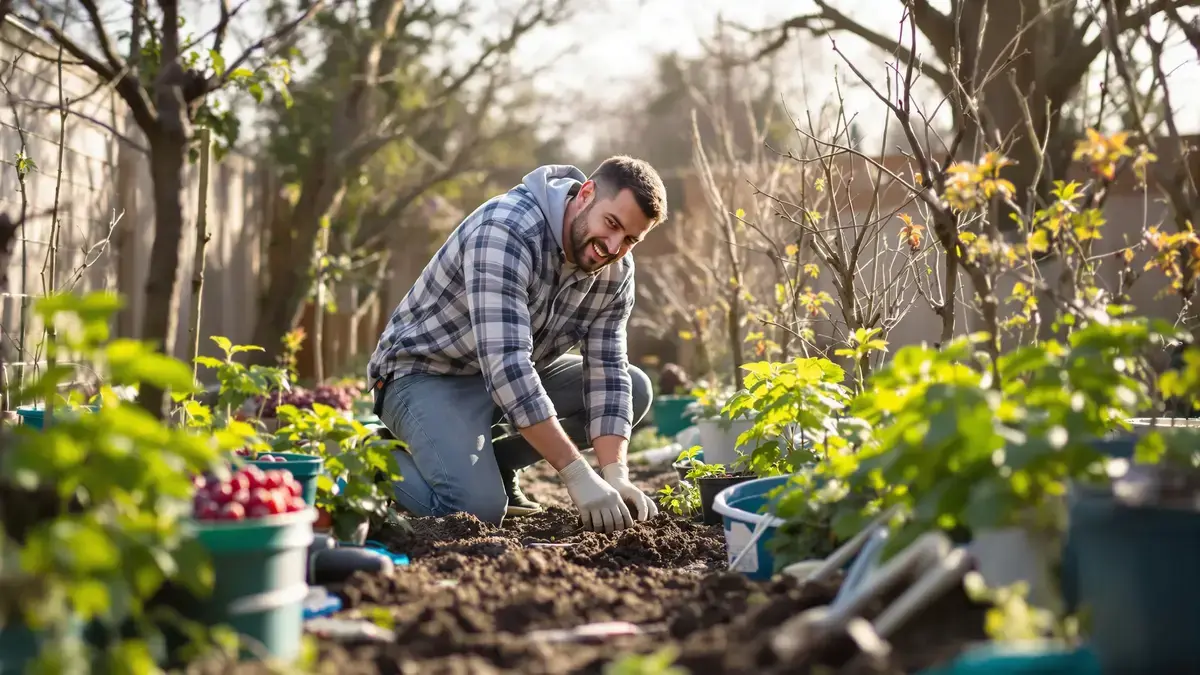

You step outside and the crisp air tastes of January, soft earth curling under your boots—empty beds waiting for promise. It’s usually the scene of patience: planting fruit trees and bracing for years of hope. But with the right choices and some careful work now, the pause between spade and harvest can shrink, filling baskets much sooner than most expect.
Fast Fruit in Unexpected Places
Berry plants cluster in pots on balconies or line garden edges, their small size making them easy to slip into almost any space. Strawberries and raspberries lead the charge for speed. With everbearing or early types, strawberries can reward you as soon as the first summer—bright red fruit brushing against your fingers while the rest of the garden is barely getting started.
In nearby corners, raspberry canes—especially remontant ones—push up fresh, green shoots after winter. The first berries may cluster at the tips before the season even turns, astonishing those used to waiting longer.
The Small Bushes That Get There First
Walk past a patch of currants or gooseberries and, by the second summer, you might have pounds of glossy, tart fruit ready for pies, breakfasts, or eating by the handful in the garden shade. These compact bushes settle quickly and begin producing fast. For those who plant container-grown specimens, the first harvest comes even sooner—their roots already wide awake when pressed into home soil.
A bit of light pruning after planting triggers extra branching, promising fuller harvests later. Eyes on these details make the difference between single handfuls and overflowing bowls in record time.
Classic Trees Playing a Short Game
Traditional fruit trees—usually the poster children of patience—can be coaxed into early performance with careful choices. Varieties such as the 'Amsden' peach or early apricots like 'Bulida' are bred to flower and fruit well before their standard cousins. Given sunshine and good shelter, young trees can carry first fruit in their second year.
Meanwhile, the sturdy 'Golden Japan' plum copes with less-than-perfect, even acidic, soils and sets fruit surprisingly quickly. Grafted cherries—particularly the 'Burlat'—pick up speed on dwarf rootstocks, offering those glossy red jewels much sooner than expected.
Unexpected Speed from Grapes and Figs
Vines and figs add a whiff of summer’s south even in less balmy gardens. Grapevines like 'Chasselas' and 'Muscat' shoot up fast and, with disciplined pruning, often yield their first clusters by the second season. Their presence transforms a fence or wall—all that growth channeling energy toward fruit, not just leaves.
Container-grown fig trees—especially early and repeat-bearing types like 'Goutte d'Or' and 'Brown Turkey'—offer another shortcut to abundance. With sturdy roots already formed, a fig planted now might present green-and-gold fruit before the first autumn chill. Their hunger for sunlight and well-drained soil is rewarded by generous, swift crops.
Planting Techniques to Shave Off the Wait
Small acts before roots meet earth matter even more when time is precious. Digging a large, deep hole and mixing in rich, crumbly compost helps roots stretch out and claim their space fast. Some experts swear by dipping bareroot trees in a mud-and-manure slurry to prime them for a strong start—each measure designed to help plants settle in and focus on fruiting quickly.
Steady watering throughout the first year, once or twice a week but deep and thorough, keeps root systems active. Spreading mulch—straw, bark, or compost—around trunks and canes holds in moisture and improves the soil beneath your feet. These quiet, practical steps give each plant a head start toward early productivity.
A Garden That Responds to Informed Patience
Speed in the garden doesn’t have to mean sacrificing quality or ignoring the need for care. Informed variety selections and steadfast attention to planting and aftercare turn slow hope into near-term reward. Baskets filling with strawberries, plums, figs, and cherries by the second or third summer are no longer out of reach. The garden, it seems, can surprise even experienced hands when preparation meets possibility.
